Unraveling Connections Between User Interface Designs and Session Durations in Remote Gaming Platforms
Kai Albrecht · Aug 2, 2026
Unraveling Connections Between User Interface Designs and Session Durations in Remote Gaming Platforms
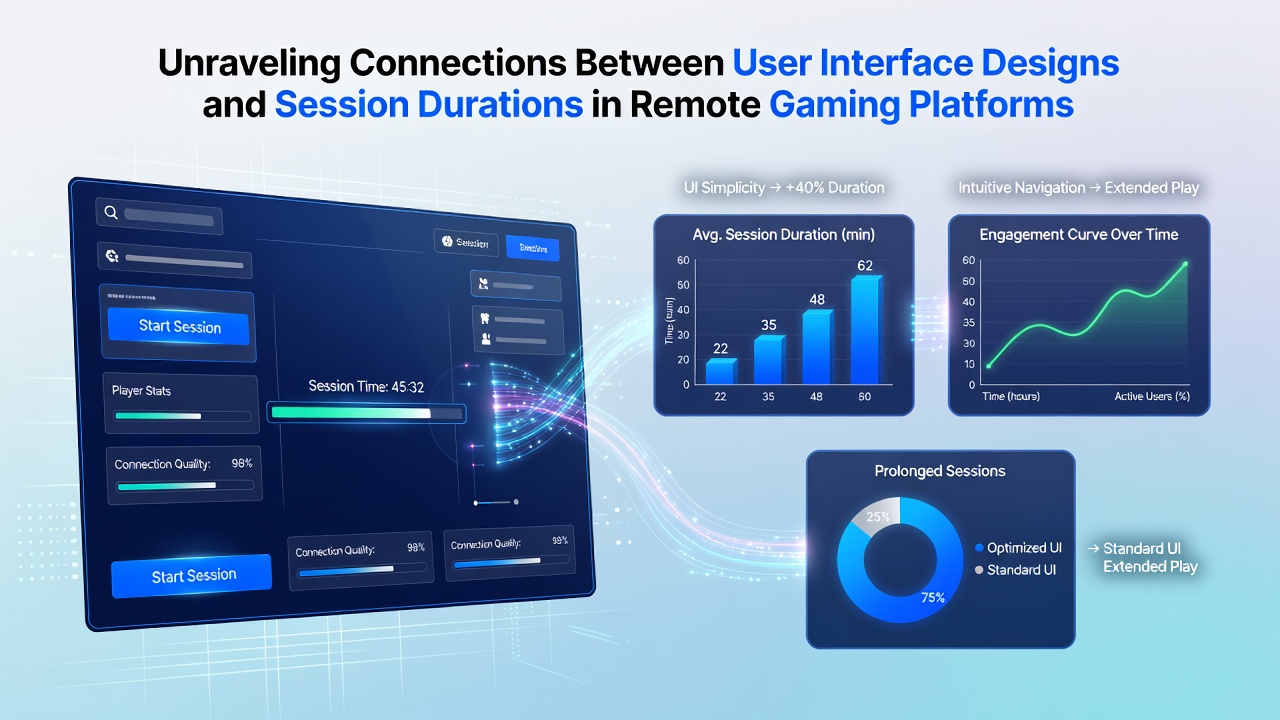
Remote gaming platforms rely on interface elements that guide player interactions from the first click through extended play periods, and researchers continue to examine how those elements shape session lengths across mobile and desktop environments. Data from industry tracking services shows that streamlined navigation bars and responsive touch targets correlate with longer average play times, while cluttered layouts tend to produce shorter visits. In August 2026, platform operators reported measurable shifts in engagement metrics after implementing simplified menu structures that reduced the number of taps required to reach core game modes.
Navigation Structures and Entry Friction
Design teams adjust top-level menus and search functions to lower the steps between login and active gameplay, and analysts note that fewer decision points at entry correlate with sustained participation beyond the initial five minutes. Studies conducted by academic groups at European universities have tracked how hierarchical versus flat navigation affects retention, revealing that platforms using contextual shortcuts see session extensions of fifteen to twenty percent in controlled tests. Observers note that players often remain engaged when progress indicators update in real time, because those visual cues provide immediate feedback without requiring separate menu checks.
Visual Feedback Mechanisms and Immersion Layers
Color transitions, animation timing, and on-screen prompts form another layer that influences how long users stay connected, since rapid visual responses to actions reinforce a sense of control. Research compiled by the Interactive Games and Entertainment Association in Australia links subtle particle effects and dynamic score updates to extended reel or level sessions, particularly on handheld devices where screen real estate remains limited. Platforms that maintain consistent iconography across game lobbies and in-play screens reduce cognitive load, allowing players to focus attention on the activity rather than relearning controls each time they switch modes.
Adaptive Personalization and Session Extension Patterns
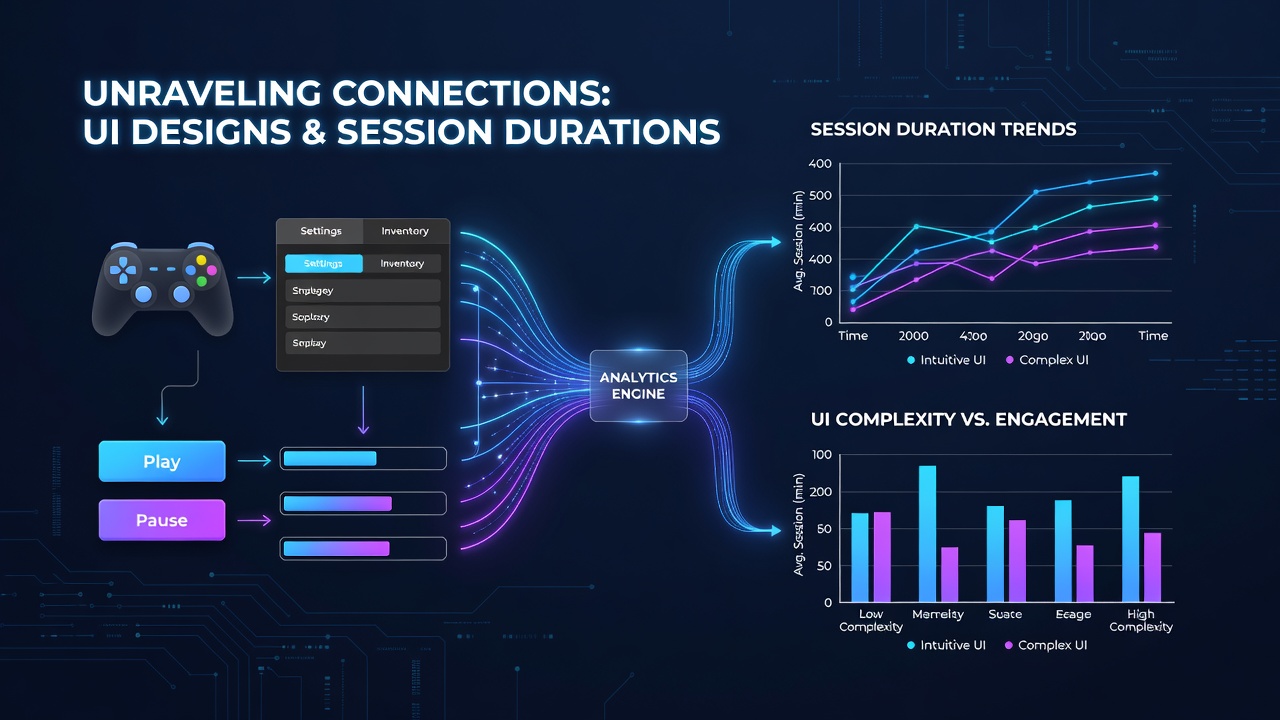
Algorithms that rearrange recommended content based on prior behavior appear in many remote gaming environments, and figures from North American analytics firms indicate that personalized home screens increase return visits within the same day. Those systems adjust button prominence and highlight features that match historical preferences, which in turn supports longer continuous sessions because users encounter familiar pathways rather than generic grids. Data collected through A/B testing on multiple platforms shows that adaptive dark-mode toggles and font scaling options also contribute to comfort during extended periods, especially when users remain active past thirty minutes.
Cross-Platform Consistency and Regional Data Trends
Consistency between mobile and desktop versions matters because players frequently switch devices mid-session, and developers who synchronize layout grids and gesture mappings observe fewer drop-offs at transfer points. Reports issued by Canadian regulatory bodies document that standardized interface elements across operating systems align with higher average session durations in provinces where remote gaming participation has grown steadily through 2026. Observers note that loading speed indicators and offline caching features further support continuity, since delays or interruptions at these stages tend to truncate play before users reach secondary objectives or bonus rounds.
Conclusion
Interface decisions around navigation depth, visual responsiveness, and adaptive elements continue to shape measurable differences in how long participants remain active on remote gaming platforms. Evidence gathered from multiple regions demonstrates that reductions in entry friction and improvements in real-time feedback produce extended sessions without requiring changes to underlying game mechanics. As operators refine these components, ongoing measurement through platform telemetry and academic partnerships supplies the data needed to track resulting engagement patterns into future reporting periods.