Tracing Biometric Verification Layers and Their Role in Streamlining Cross-Border Digital Wagering Compliance
Amir Simmons · May 26, 2026
Tracing Biometric Verification Layers and Their Role in Streamlining Cross-Border Digital Wagering Compliance
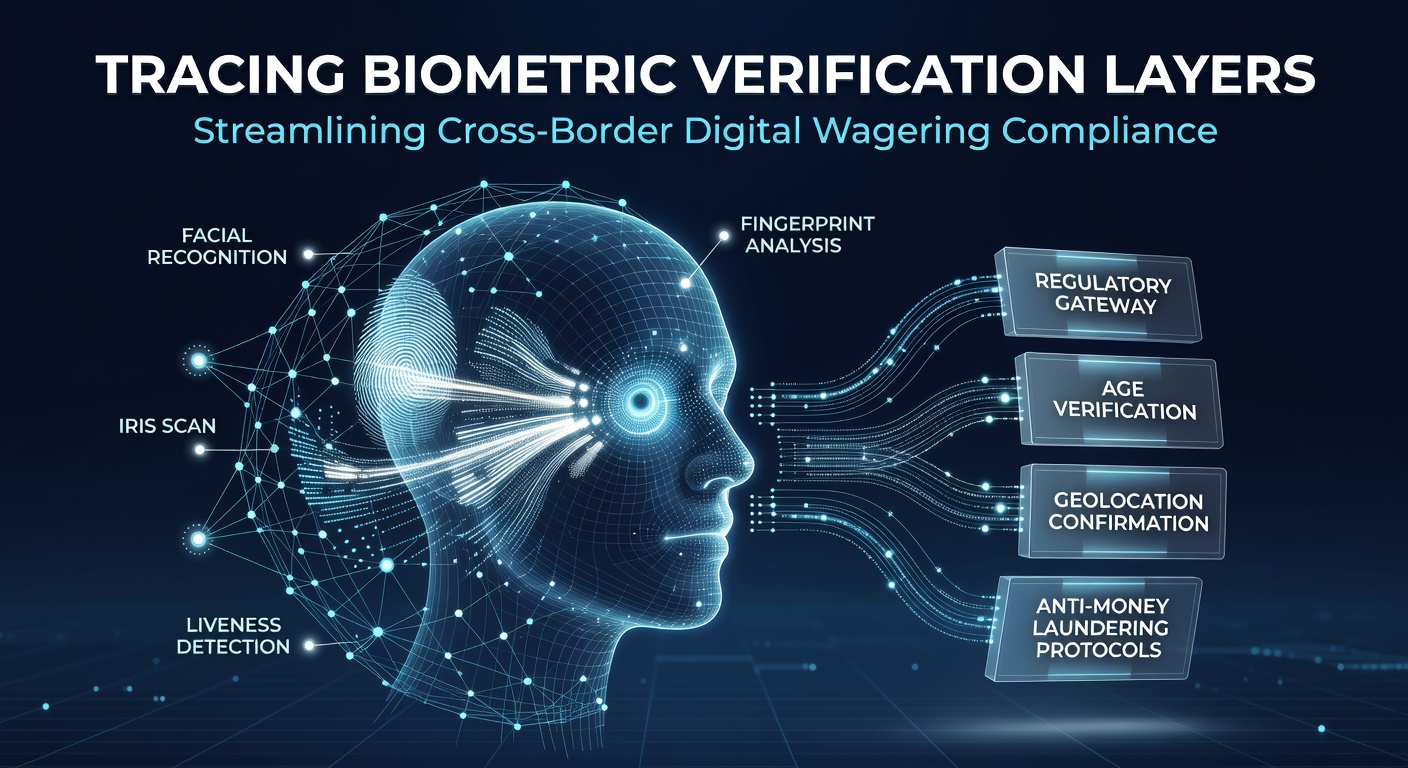
Operators handling digital wagering across multiple jurisdictions rely on layered biometric systems to meet varying regulatory demands for identity confirmation and transaction monitoring. These layers combine physical traits such as facial patterns and fingerprints with behavioral signals including typing rhythms and navigation habits, creating verification sequences that adapt to different national requirements while maintaining continuous session checks.Core Layers in Biometric Verification Systems
Physical biometrics form the first tier, where facial recognition scans match live images against government-issued documents and fingerprint readers capture ridge patterns for device-level authentication. Iris scanning adds another dimension in high-security environments, delivering precision rates above 99 percent according to technical evaluations from the National Institute of Standards and Technology. Behavioral biometrics operate in parallel, tracking mouse movements, swipe speeds, and session durations to detect anomalies that suggest account sharing or automated access attempts.
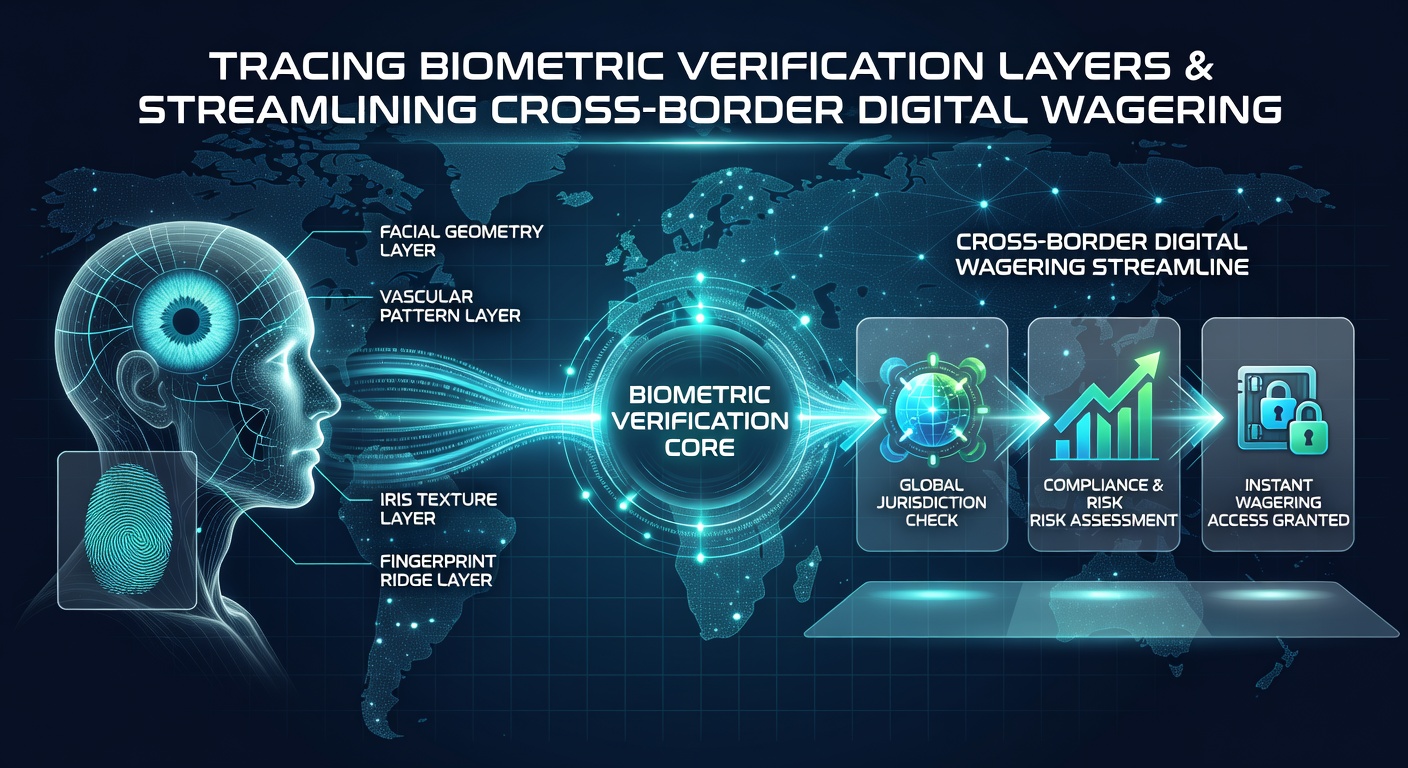
Data from the European Gaming and Betting Association indicates that integrated platforms using multiple layers reduce false rejection rates by up to 40 percent compared with single-method approaches. This reduction matters for cross-border operations because operators must satisfy both strict European data protection rules and lighter frameworks in certain Asian markets simultaneously. Systems therefore route verification requests through jurisdiction-specific rule engines that select which biometric combination to apply based on user location and transaction size.
Compliance Functions Across Borders
Know-your-customer procedures benefit directly when biometric layers replace manual document uploads, since live facial matching confirms that the person presenting identification matches the record on file. Anti-money laundering protocols gain real-time monitoring capabilities as behavioral analysis flags rapid deposit patterns or unusual withdrawal locations within the same session. Age verification receives similar treatment, with facial estimation algorithms cross-checked against official records to prevent underage access in regions where minimum wagering ages differ by several years.
One operator serving players in both Canada and Australia implemented a unified biometric gateway in early 2026 that automatically applies iGaming Ontario standards for Canadian users while aligning with Australian Communications and Media Authority expectations for geo-fencing and identity retention periods. The setup cut average verification time from several minutes to under 30 seconds, according to internal performance metrics shared with industry analysts.
Technical Integration and Data Handling
Biometric templates rarely leave the device under modern designs, with encrypted feature vectors processed locally before a yes-or-no result travels to the operator server. This on-device approach satisfies data minimization principles required in multiple jurisdictions and reduces exposure during transmission. Cloud-based fallback options exist for cases where local processing fails, yet these routes trigger additional encryption layers and shorter retention windows.
Research published by the University of Waterloo in 2025 examined latency impacts when biometric checks cross international data routes and found that edge-computing nodes positioned near major wagering markets keep response times below 800 milliseconds even during peak evening hours. Such performance supports seamless play while still satisfying audit trails demanded by regulators in both source and destination countries.
Developments Observed in May 2026
Regulatory updates taking effect in May 2026 prompted several platforms to expand behavioral biometric coverage to include device gyroscope data and ambient light patterns. These additions help distinguish genuine mobile users from emulated environments, a distinction that matters when operators accept traffic from regions with strict rules against proxy services. Compliance teams report that the expanded layer set allowed continued service to users in newly regulated markets without requiring separate verification flows for each jurisdiction.
Industry observers note that platforms adopting these enhancements also recorded measurable drops in chargeback disputes linked to account takeover attempts. The combination of continuous behavioral scoring and periodic facial re-authentication provides evidence trails that operators can present during dispute resolution processes governed by different national banking authorities.
Conclusion
Biometric verification layers continue to evolve as cross-border digital wagering expands into additional regulated markets. Physical and behavioral signals working together deliver the identity assurance and ongoing monitoring that multiple regulatory frameworks require while keeping user friction low enough to support normal play patterns. As new rules emerge and technology matures, these layered systems remain central to maintaining compliant operations across diverse geographic and legal landscapes.