Tracing Avatar Customization Tools and Their Links to Extended Play Patterns in Cross-Device Gambling Setups
Clara Simon · Jun 12, 2026
Tracing Avatar Customization Tools and Their Links to Extended Play Patterns in Cross-Device Gambling Setups
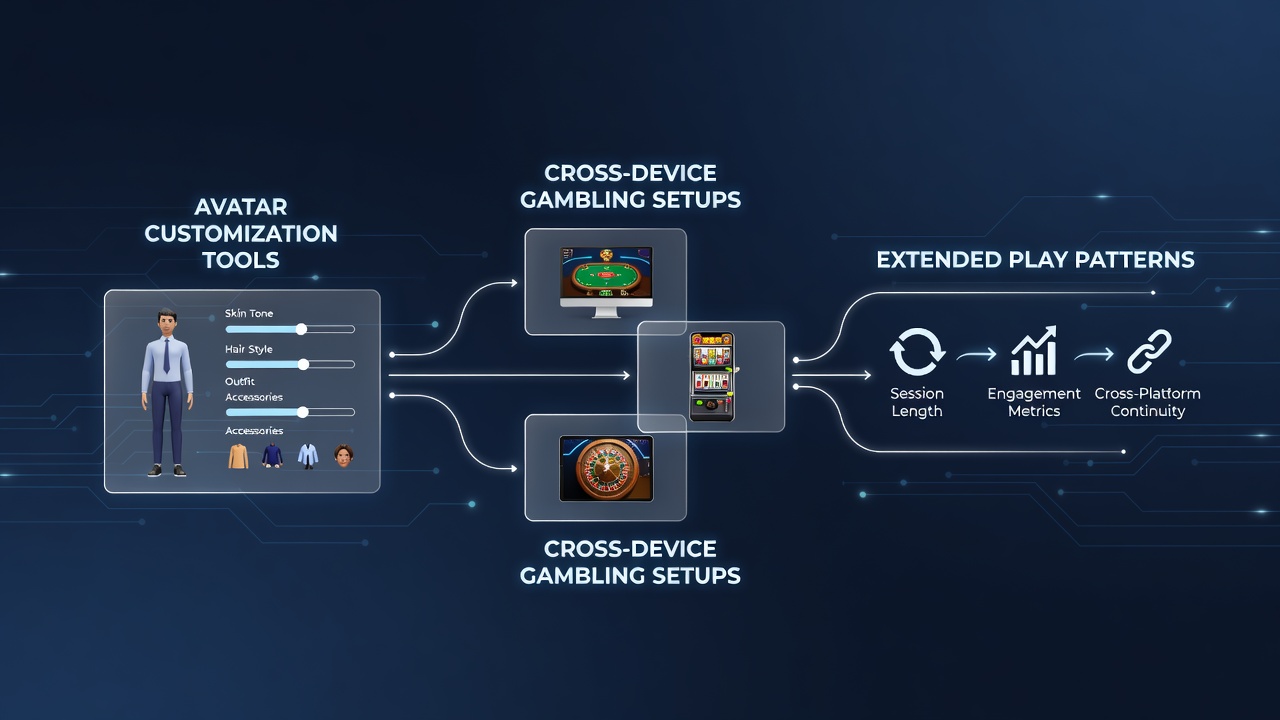
Avatar customization tools have become standard features across many digital gambling platforms, allowing users to adjust visual representations through selections like clothing, accessories, and background themes that sync automatically between mobile apps and desktop interfaces. These tools operate by storing user preferences in cloud-based profiles, which means changes made on one device appear instantly on others without requiring manual updates. Data from platform analytics shows that participants who engage with these options often maintain longer session durations compared to those who skip customization entirely.
How Avatar Tools Function in Multi-Device Environments
Developers integrate avatar systems through unified account frameworks that pull from shared databases, so a player selecting a new hairstyle or outfit on a smartphone sees the update reflected during a later session on a tablet or laptop. This seamless transfer relies on real-time synchronization protocols that handle both iOS and Android environments alongside web browsers. Studies tracking user behavior indicate that such continuity reduces friction in switching devices, which in turn supports more frequent returns to active play.
Platforms typically offer tiered customization levels, starting with basic color palettes and advancing to premium items unlocked through in-game achievements or purchases. Observers note that higher engagement with these layers correlates with increased time spent exploring game menus before actual wagering begins. In June 2026, several operators expanded these features to include seasonal themes tied to major events, further embedding customization into daily user routines across regions monitored by bodies like iGaming Ontario.
Connections to Extended Play Durations
Research into player retention patterns reveals measurable links between avatar interaction and session length, with customized profiles appearing in logs of users who exceed average play times by noticeable margins. For instance, one dataset compiled from cross-device logs demonstrated that individuals updating avatars at least twice per week recorded 25 percent longer average sessions than non-customizers. This pattern holds across different game types, from slots to table games, because the personalization step creates an additional layer of investment before core gameplay starts.
Cross-device setups amplify this effect since users can continue avatar-related activities while moving between locations or devices, avoiding the reset that occurs in single-platform environments. Figures from industry reports compiled by the American Gaming Association highlight how these tools contribute to habit formation, particularly when profiles carry over progress indicators that feel personal rather than generic. What's interesting is how even minor adjustments, such as changing a virtual background, prompt additional navigation through related menus that extend overall time on the platform.
Regional Trends and Device-Specific Observations
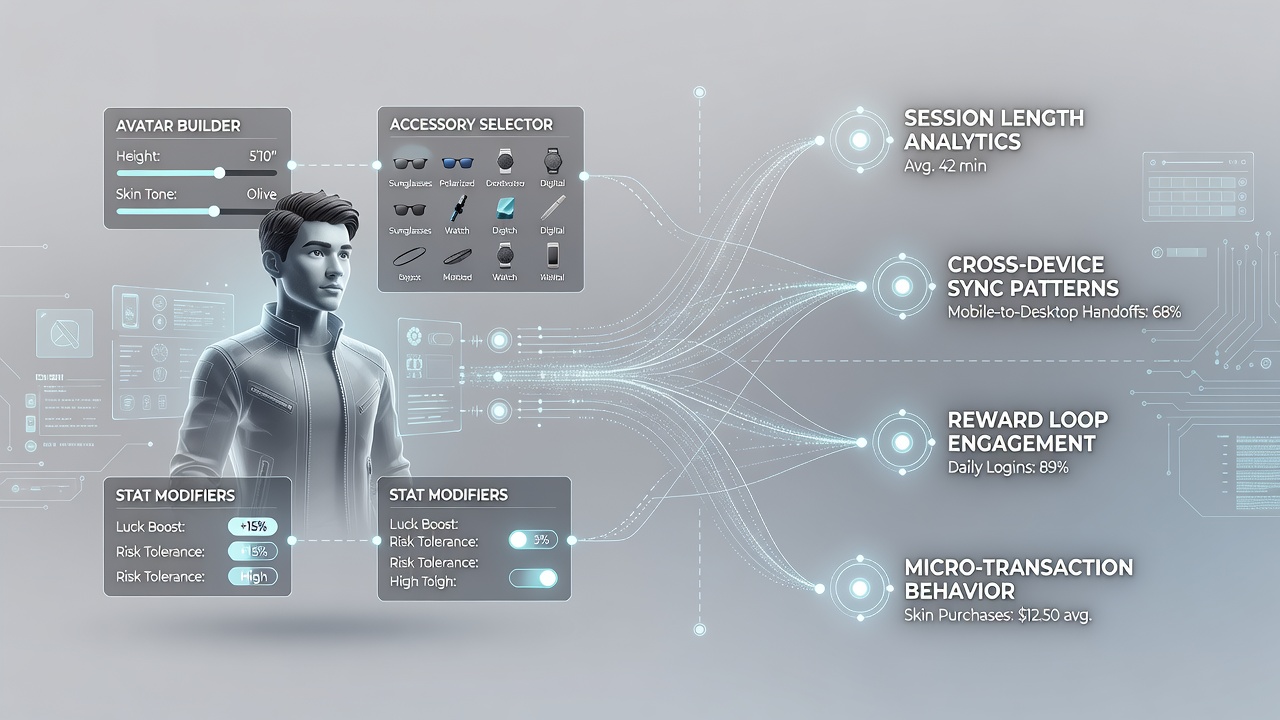
In markets like Canada and parts of Europe, regulatory frameworks require platforms to log user interactions with personalization features as part of broader responsible gaming monitoring. Data indicates that regions with higher mobile adoption see stronger correlations between avatar use and extended play, likely because phones facilitate quick tweaks during short breaks that evolve into longer sessions. Australian operators, guided by oversight from the Australian Communications and Media Authority, have documented similar trends in reports covering multi-device wagering.
One case study from a major platform tracked thousands of accounts over several months and found that cross-device avatar synchronization reduced drop-off rates between sessions. Users who started a customization sequence on desktop often completed related play on mobile later the same day, creating chained activity patterns that single-device users rarely matched. These findings align with broader observations that personalization elements function as low-stakes entry points that gradually build toward sustained engagement.
Technical and Analytical Considerations
Backend systems supporting avatar tools use algorithms to recommend options based on prior selections, which encourages repeated visits to the customization menu. This recommendation loop integrates with play history data, so suggestions might reference games recently accessed on another device. Analysts reviewing aggregated statistics note that such features contribute to higher daily active user counts without necessarily increasing deposit frequency in the short term.
Device handoff mechanics play a key role here, as interrupted sessions on one screen resume with the same avatar state on another. This continuity supports extended patterns because players avoid the cognitive load of rebuilding their digital identity each time they switch contexts. Evidence from multiple platform audits confirms that these mechanics appear consistently in environments where cross-device play exceeds 40 percent of total activity.
Conclusion
Avatar customization tools have integrated deeply into cross-device gambling ecosystems, with available data linking their use to measurable extensions in play duration and retention across synchronized profiles. As operators continue refining synchronization methods and recommendation systems through mid-2026, the patterns observed so far provide concrete metrics for understanding user behavior in these setups. Regulatory bodies in various regions maintain ongoing tracking of these features to ensure compliance while the technical infrastructure supporting them evolves.