The Intersect of Transfer Protocols and Incentive Mechanics in Handheld Live Gaming Scenarios
Amir Simmons · May 19, 2026

The Intersect of Transfer Protocols and Incentive Mechanics in Handheld Live Gaming Scenarios
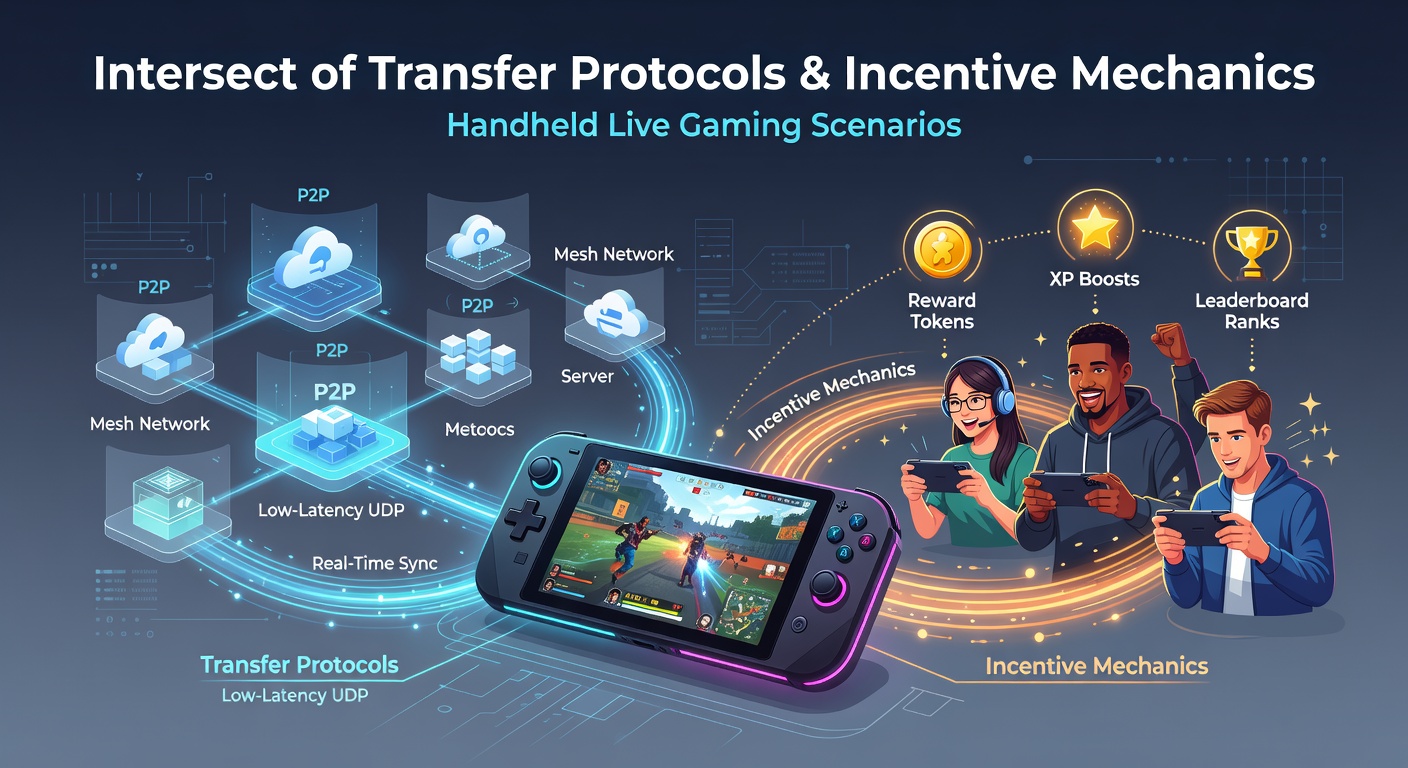
Handheld live gaming combines streaming dealer interactions with mobile interfaces, and transfer protocols now intersect directly with incentive systems to shape session dynamics. Protocols handle instant deposits and withdrawals through APIs that connect payment rails to game servers, while incentives adjust in real time based on transaction velocity and volume. This setup allows operators to deliver targeted rewards during active play without interrupting the live flow.
Technical Foundations of Transfer Protocols
Modern transfer protocols in handheld environments rely on standardized APIs that process transactions in under two seconds, according to industry benchmarks from the European Gaming and Betting Association. These systems integrate with mobile wallets, bank APIs, and distributed ledger networks to maintain session continuity. Data flows between the device and backend servers update player balances continuously, which in turn triggers incentive mechanics tied to deposit frequency or withdrawal patterns.
Researchers at institutions studying digital entertainment note that low-latency protocols reduce friction during live dealer rounds. When a player initiates a transfer mid-session, the protocol confirms funds availability and credits the balance before the next game outcome resolves. Such timing supports incentive layers that scale rewards proportionally to transaction size or speed.
Incentive Mechanics Tied to Real-Time Transfers
Incentive structures in these scenarios often activate upon successful protocol confirmation rather than after fixed play thresholds. Progressive multipliers, cashback percentages, and bonus spins can apply automatically when transfers meet predefined criteria. Observers tracking platform analytics report that systems now correlate transfer metadata with live engagement metrics to personalize offers within the same minute.
One documented approach links deposit speed to reward tiers during blackjack or roulette streams. Faster protocol completions unlock higher incentive brackets, and the game interface displays updated bonus meters without requiring navigation away from the live table. This linkage keeps players engaged through continuous visual feedback on both balance changes and accumulating rewards.
Current Developments in May 2026
By May 2026, several jurisdictions expanded testing of combined transfer and incentive frameworks for handheld platforms. Regulatory filings indicate that operators adopted enhanced encryption standards within protocols to secure data exchanged during incentive calculations. Figures from North American gaming oversight bodies show increased transaction volumes during live mobile sessions, with corresponding rises in reward redemptions processed in real time.
Platforms operating under these updated rules demonstrate how incentive mechanics now reference transfer history from the preceding 24 hours. Players receive tailored promotions that reference recent activity patterns, and the system adjusts offers before the next live round begins. Such refinements stem from protocol improvements that deliver verifiable transaction receipts directly to the incentive engine.
Integration Examples Across Platforms
Take one operator that synchronized instant payout protocols with tiered loyalty incentives on its handheld live casino product. Transaction logs reveal that players completing deposits via the primary protocol during peak evening hours received accelerated point accumulation, which converted into live-table credits. Another case involved a regional provider that embedded withdrawal-triggered incentives, where protocol confirmation of a cash-out automatically generated a re-deposit bonus visible on the mobile dashboard.
These examples illustrate how protocol reliability directly influences incentive delivery consistency. When transfer success rates exceed established thresholds, operators maintain higher incentive fulfillment rates, and player retention data reflects the connection between seamless movement of funds and sustained session participation.
Regulatory and Operational Considerations
Authorities in multiple regions require audit trails that capture both protocol events and incentive activations within unified logs. This documentation supports compliance checks on fairness of reward distribution and accuracy of transfer processing. Reports from Canadian provincial regulators highlight ongoing reviews of systems that merge these functions to ensure transparent calculation methods reach end users through the handheld interface.
Operational teams monitor protocol uptime alongside incentive redemption rates to identify bottlenecks. When a protocol experiences brief delays, incentive engines pause corresponding reward triggers until confirmation arrives, preserving system integrity across live sessions. Such coordination reduces discrepancies between expected and actual player balances during extended play periods.
Conclusion
The intersection of transfer protocols and incentive mechanics continues to define handheld live gaming through synchronized data exchange and responsive reward systems. As platforms refine these connections, transaction speed and incentive timing remain central to maintaining session flow and operational compliance across jurisdictions.