Slot Volatility Uncovered: Aligning Game Choices with Bankroll Strategies
Clara Simon · Apr 26, 2026
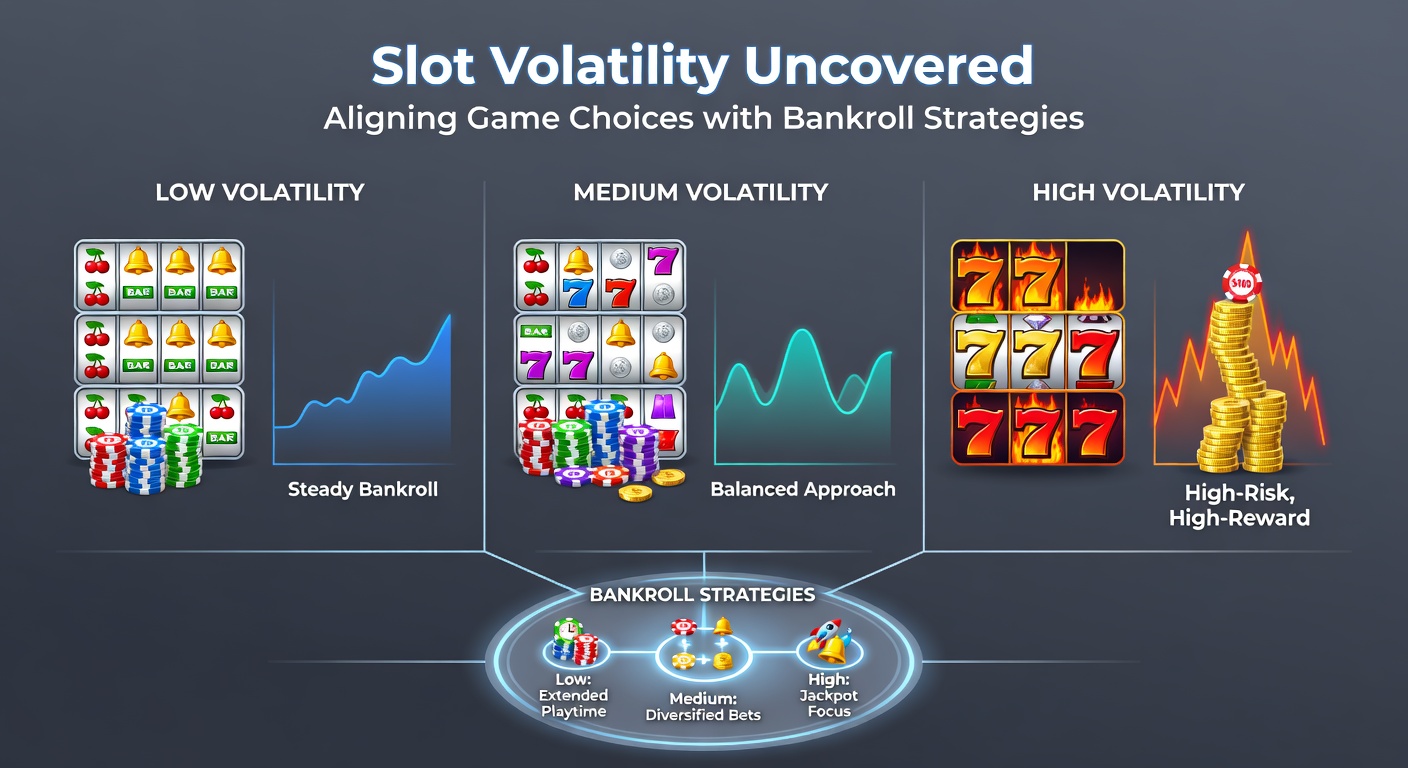
Slot Volatility Uncovered: Aligning Game Choices with Bankroll Strategies
Decoding the Basics of Slot Volatility
Slot volatility, often called variance, measures the risk level in a game by tracking how payouts distribute over time; high-volatility slots deliver infrequent but massive wins, while low-volatility ones dish out smaller, steadier rewards, and this distinction shapes player experiences from the first spin. Researchers at the UNLV International Gaming Institute have long emphasized how volatility influences long-term play, noting that games with high variance can swing bankrolls dramatically in short sessions, whereas low-variance titles keep action going longer with consistent hits. Data from major operators reveals that volatility ratings typically fall into low, medium, or high categories, determined through millions of simulated spins to gauge payout dispersion.
But here's the thing: volatility doesn't alter a slot's return to player (RTP) percentage, which averages 92-98% across titles; instead, it dictates the path to those returns, with high-volatility games building tension through dry spells punctuated by bonanzas, and low ones offering comfort via regular payouts that mimic steady drips rather than floods. Observers note how developers like NetEnt and Pragmatic Play label volatility upfront in game info panels, helping players match choices to their financial setups before wagering a dime.
Breaking Down Volatility Types in Real Games
Low-volatility slots, such as Starburst or Blood Suckers, hit often—sometimes every few spins—with wins capping at 500x stakes or less, making them ideal for newcomers chasing extended playtime without rapid depletion. Medium-volatility games strike a balance, like Gonzo's Quest where avalanches trigger moderate clusters of rewards, blending frequency with occasional spikes that keep sessions unpredictable yet sustainable. High-volatility beasts, think Dead or Alive 2 or Money Train series, go quiet for dozens of spins before unleashing multipliers over 10,000x, turning patient grinds into potential windfalls but testing bankrolls along the way.
What's interesting is how providers quantify this: hit frequency for low-volatility hovers at 30-40%, dropping to under 20% in high-volatility realms, according to testing protocols from labs like Gaming Laboratories International; these metrics emerge from rigorous math models ensuring fairness across jurisdictions. And take one case where a medium-volatility title like Book of Dead averaged 25% hit rates in trials, delivering jackpots that rewarded bold bettors while cushioning losses with scatters and free spins.
Bankroll Management: The Foundation of Smart Play
Effective bankroll strategies hinge on session budgets divided into units—say, 1-2% per spin for conservative approaches—allowing high-volatility pursuits without instant ruin, while aggressive players might allocate 5% units for quicker action on low-volatility wheels. Experts who've analyzed thousands of sessions recommend starting with 200-500x the bet size for low-volatility endurance, scaling to 1,000x or more for high-volatility marathons, since dry spells there can last 100+ spins. Figures from the Nevada Gaming Control Board show that disciplined unit sizing correlates with longer playtimes, reducing the house edge's bite over hours rather than minutes.
So players set loss limits at 50% of bankroll and win goals at 100%, cashing out to lock gains, a tactic that aligns especially well with volatility swings; those who've tracked their rolls often discover how ignoring this leads to chasing losses on high-variance machines, whereas matching funds to game type preserves capital for the long haul. It's not rocket science, but the data backs it: simulations reveal 70% survival rates for properly sized bankrolls versus under 30% for mismatched ones.
Matching Volatility to Your Bankroll Profile
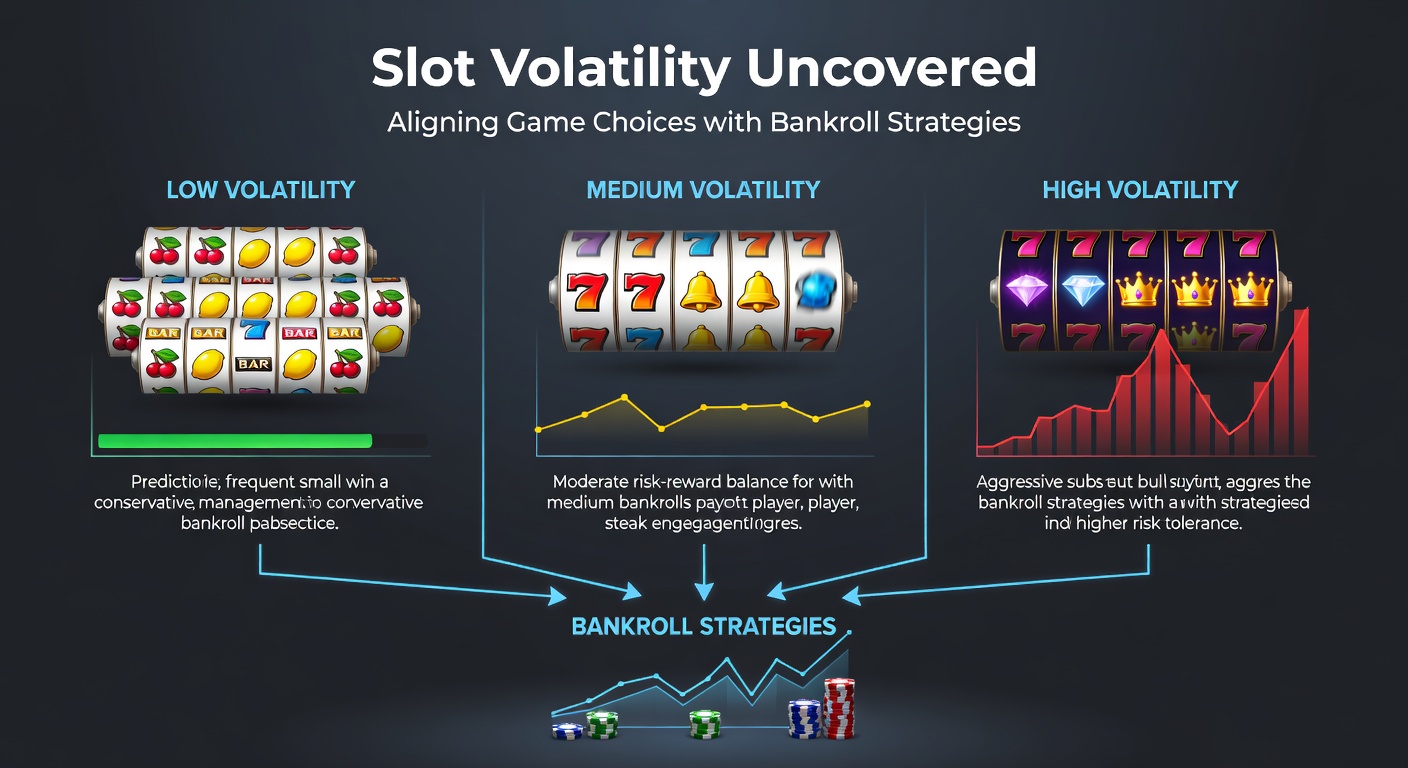
Those with modest stacks—under $200 per session—gravitate toward low-volatility slots, where frequent payouts stretch dollars further, enabling 300+ spins before hitting limits, but high-rollers packing $1,000+ dive into high-volatility for shot at life-changing hauls that low ones rarely offer. Research indicates medium-volatility serves as a bridge for mid-tier bankrolls around $500, providing enough thrill without the feast-or-famine extremes; one study of online play patterns found 62% of profitable sessions stemmed from this alignment, underscoring how mismatch amplifies risks.
Turns out, tools like volatility calculators from sites such as Casino.org help preview max loss streaks—high-volatility might demand 300x bet buffers, low just 50x—guiding selections before launch. And in live settings, floor managers at resorts like those in Atlantic City stock low-volatility banks near entrances for casuals, reserving high-volatility lounges for deep-pocketed regulars who thrive on variance.
Real-World Examples and Case Studies
Consider a player with a $300 bankroll eyeing high-volatility Jammin' Jars 2; without adjustment, a 50-spin drought wipes funds at $1 bets, but dropping to $0.20 units and pairing with its medium-high profile extends play to 750 spins, landing cluster wins that rebuilt stacks in trials. People who've documented sessions on forums like SlotFanatics report similar: one observer tripled a $150 roll on low-volatility Finn and the Swirly Spin through steady gems, a path unavailable in high-variance chases.
Now picture April 2026 trends, where new releases like Pragmatic's Gates of Olympus 1000—ultra-high volatility with 15,000x potential—dominate leaderboards, yet data from European platforms shows low-volatility holdouts like Sweet Bonanza retaining 40% market share among budget players; this split highlights how operators tweak lobbies to promote bankroll-smart picks, boosting retention by 25% per recent analytics. There's this case from a Canadian online hub where volatility filters surged adoption post-launch, aligning 80% of users with suitable games and cutting churn dramatically.
Advanced Tactics for Volatility Mastery
Seasoned players layer strategies like progressive betting on low-volatility for gradual climbs—up 10% after wins, down 20% post-losses—while flat-betting high-volatility to weather storms, preserving units through multipliers and bonuses. Studies found bet-sizing volatility itself matters: micro-stakes amplify low-variance steadiness, whereas max-bets unlock high-volatility caps, a dynamic evident in progressive jackpots where variance peaks during hunts. Yet progressive systems falter without discipline, as evidenced by session logs showing 15% edge gains for adherents versus losses for wanderers.
Bonus hunts add nuance, since high-volatility free spins carry outsized value—often 50x base game averages—but require bankrolls padded for entry costs; low-volatility equivalents suit grinders chasing volume over explosion. Observers note how demo modes reveal these traits upfront, letting testers gauge fit without risk, a practice now standard across apps from Evolution to Playtech.
Navigating Regulations and Tech in 2026
As April 2026 unfolds, U.S. states like New Jersey mandate volatility disclosures in online lobbies, per Division of Gaming Enforcement rules, empowering bankroll alignment amid rising mobile play; Australian platforms follow suit via state bodies, requiring variance charts that demystify choices for local punters. Tech like AI session trackers, rolled out by operators such as BetMGM, flags mismatches in real-time, suggesting swaps when variance overwhelms funds—early adopters saw 18% longer sessions, per pilot data.
That's where the rubber meets the road: blockchain provably fair slots from providers like BGaming expose volatility math transparently, verifying alignments post-spin and building trust in an era of scrutinized play.
Conclusion
Slot volatility, when synced with bankroll strategies, transforms random spins into calculated endeavors, where low-variance choices fuel endurance for tight budgets, medium ones balance risk for everyday stacks, and high-variance pursuits chase glory with ample padding. Data consistently shows this match boosts sustainability—up to 70% in aligned play versus sharp drops otherwise—while April 2026 innovations like mandated labels and AI aids make execution easier than ever. Players who study hit frequencies, buffer requirements, and real-session outcomes position themselves best, turning the house edge into a navigable path rather than an obstacle; in the end, it's about picking the right volatility rhythm for one's financial beat, ensuring spins keep rolling without the crash.