Mapping Regional Preferences to Tailored Promotional Campaigns in Mobile Wagering Ecosystems
Kai Albrecht · May 29, 2026
Mapping Regional Preferences to Tailored Promotional Campaigns in Mobile Wagering Ecosystems
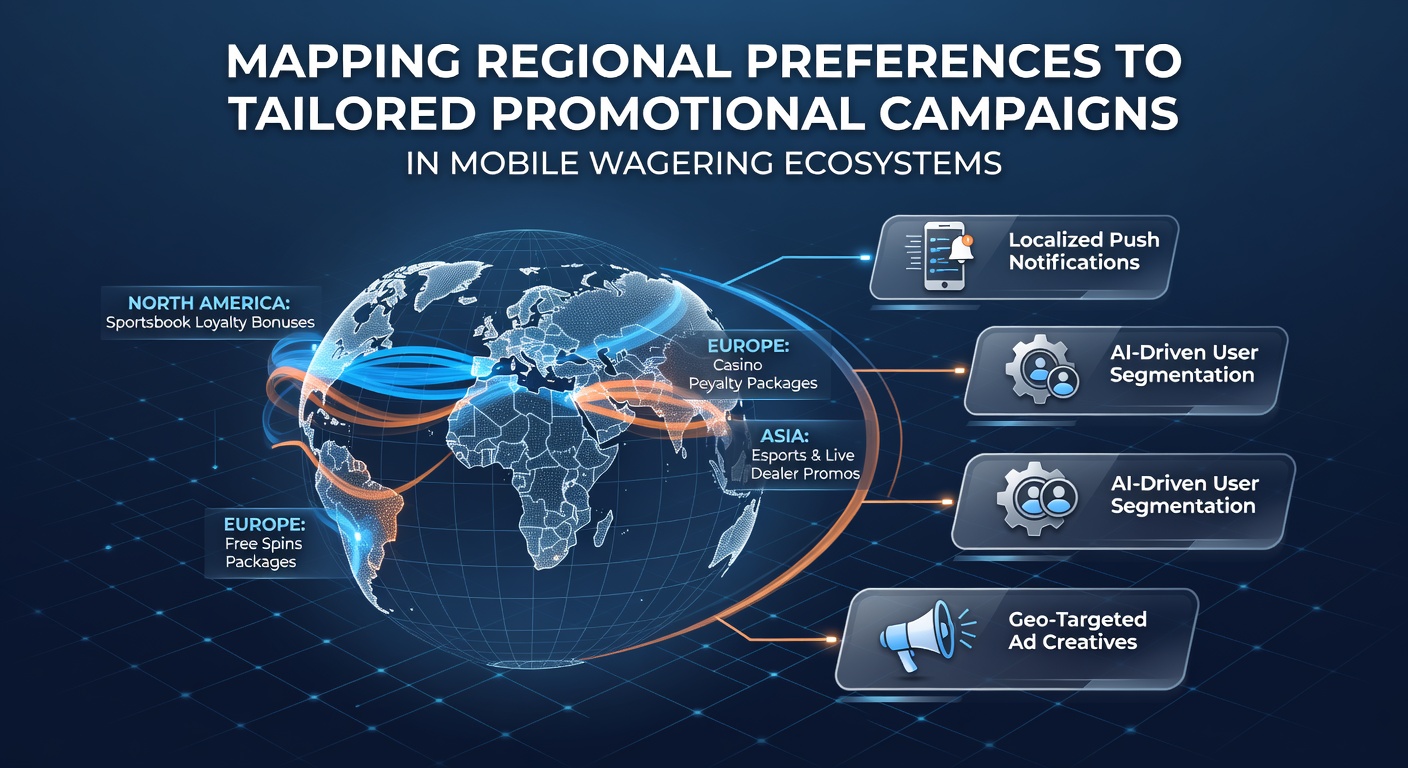
Operators in mobile wagering ecosystems collect extensive user data to identify regional preferences and adjust promotional campaigns accordingly. Data from device locations, payment methods, and engagement patterns reveals distinct patterns in game selections and bonus structures across territories. In the United States, players in states with established sports betting regulations show higher interaction rates with live event promotions, while those in emerging markets respond more frequently to deposit match incentives tied to specific sports leagues. Analysts track these variations through aggregated metrics supplied by state regulatory bodies such as the Nevada Gaming Control Board, which publishes quarterly reports detailing participation trends by game type and time of day. European markets demonstrate parallel distinctions, with Nordic countries favoring slot-based loyalty programs and Mediterranean regions showing elevated activity around table game tournaments. These differences stem from cultural factors, regulatory frameworks, and historical gambling habits that influence how users interact with mobile platforms.Data Collection Methods and Regional Segmentation
Mobile operators segment audiences by combining IP geolocation with behavioral signals such as session duration and preferred deposit amounts. Research from academic institutions, including studies conducted at the University of Las Vegas, demonstrates that users in high-density urban areas access promotions during commute hours, whereas rural users engage more during evening windows. This segmentation allows campaigns to deploy time-sensitive offers that align with observed activity peaks without requiring individual user profiling.
Payment preferences further refine these maps. Credit card usage dominates in North American regions, while e-wallet adoption leads in parts of Asia and Latin America. Operators adjust bonus structures to match these patterns, offering instant credit rewards in one zone and withdrawal fee waivers in another. Figures from the Canadian Gaming Association indicate that tailored deposit bonuses in Ontario increased average session lengths by measurable margins compared to generic promotions distributed across the same platform.
Campaign Execution Across Geographic Zones
Promotional tailoring extends to game libraries and notification timing. In Australia, where electronic gaming machines hold strong cultural presence, mobile campaigns emphasize pokie-style titles with progressive features. The Australian Communications and Media Authority tracks these preferences through industry submissions that highlight regional variations in jackpot participation rates. Campaigns in this market often bundle free spin offers with loyalty points that convert into local sporting event tickets.
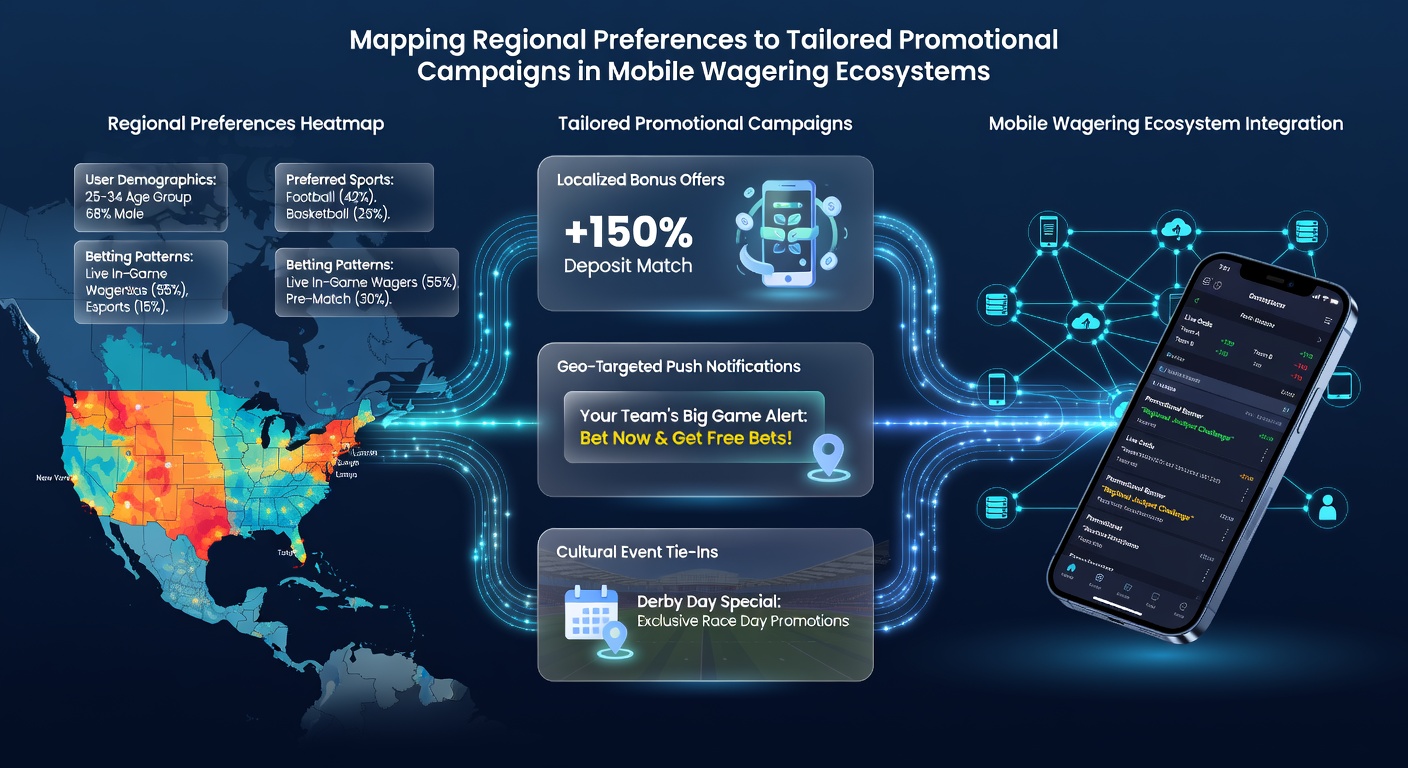
European operators face additional layers of compliance when mapping preferences because each country maintains separate licensing requirements. Campaigns targeting German users must incorporate responsible gaming limits that differ from those applied in Spain or Italy. Operators therefore create modular promotion engines that swap individual components based on detected user location while maintaining overall brand consistency.
Real-time adjustments occur through automated systems that monitor performance indicators such as click-through rates and redemption volumes. When a promotion underperforms in one region, the system reallocates budget toward variants that succeeded in comparable markets. This approach draws on historical datasets that span multiple regulatory cycles and seasonal events.
Regulatory Influences on Promotional Mapping
Regulatory changes directly affect how operators map and execute campaigns. New rules introduced in various jurisdictions during 2025 and early 2026 required clearer disclosure of promotional terms, prompting operators to redesign bonus structures for greater transparency. As of May 2026, several state and provincial regulators have begun requiring operators to report the geographic distribution of promotional redemptions, which supplies additional data points for refining segmentation models.
Industry organizations such as the European Gaming and Betting Association compile cross-border comparisons that help operators anticipate how regulatory shifts in one market may influence neighboring regions. These reports document how tax structures and advertising restrictions alter user responses to identical promotional mechanics when presented in different regulatory environments.
Conclusion
Mapping regional preferences enables mobile wagering operators to align promotional content with documented user behaviors across distinct geographic markets. The process relies on aggregated data sources, automated segmentation tools, and compliance frameworks that vary by jurisdiction. Continued reporting from regulatory bodies and industry associations supplies the factual foundation operators use to maintain relevance in evolving mobile ecosystems.