Mapping Player Navigation Habits to Optimized Menu Layouts in Mobile Gambling Interfaces
Casey Krause · Jun 9, 2026

Mapping Player Navigation Habits to Optimized Menu Layouts in Mobile Gambling Interfaces
Player navigation habits in mobile gambling interfaces reveal distinct patterns that developers track through aggregated session data and interaction logs. Research indicates users tend to favor top-left screen areas for primary game selections while swiping patterns cluster around central carousels during initial app launches. Data from multiple platform operators shows these behaviors shift based on device orientation and time-of-day usage peaks with evening sessions often extending deeper into submenus for bonus features.
Tracking Navigation Through Heatmaps and Clickstreams
Heatmap tools capture tap density and scroll velocity across thousands of anonymous sessions creating visual overlays that highlight friction points in menu hierarchies. Analysts combine these maps with clickstream sequences to identify where users abandon navigation paths before reaching target games or account sections. Studies from university labs in Australia demonstrate that vertical scrolling dominates over horizontal swipes in portrait mode leading designers to prioritize single-column layouts for popular titles. Session duration metrics further reveal that players complete 60 percent of navigation actions within the first three taps when menus follow logical category groupings such as slots, table games, and live dealer options.
Data Sources Driving Layout Adjustments
Platform teams integrate telemetry from iOS and Android environments to segment navigation by player tenure and geographic region. New users exhibit broader exploration across discovery tabs whereas returning players shortcut directly to previously accessed sections through persistent search bars or quick-launch icons. Reports issued by the Nevada Gaming Control Board in early 2026 document increased mobile session volumes during summer months correlating with refined menu structures that reduced average time-to-game from 8.2 seconds to 5.7 seconds across sampled applications. These adjustments include collapsing rarely used filters into expandable accordions and surfacing progressive jackpot counters directly beneath primary navigation rails.
Behavioral Segmentation and Menu Reorganization
Segmentation models group players by navigation style including linear browsers who follow top-to-bottom lists and exploratory users who engage thumbnail grids. Optimized layouts adapt by offering toggleable views that remember individual preferences across sessions. Evidence from longitudinal tracking shows retention rates improve when high-traffic games occupy fixed positions in the first visible screen while less popular titles rotate through secondary discovery feeds. June 2026 updates across several major operators incorporated dynamic reordering based on real-time popularity signals derived from concurrent player counts per title category.
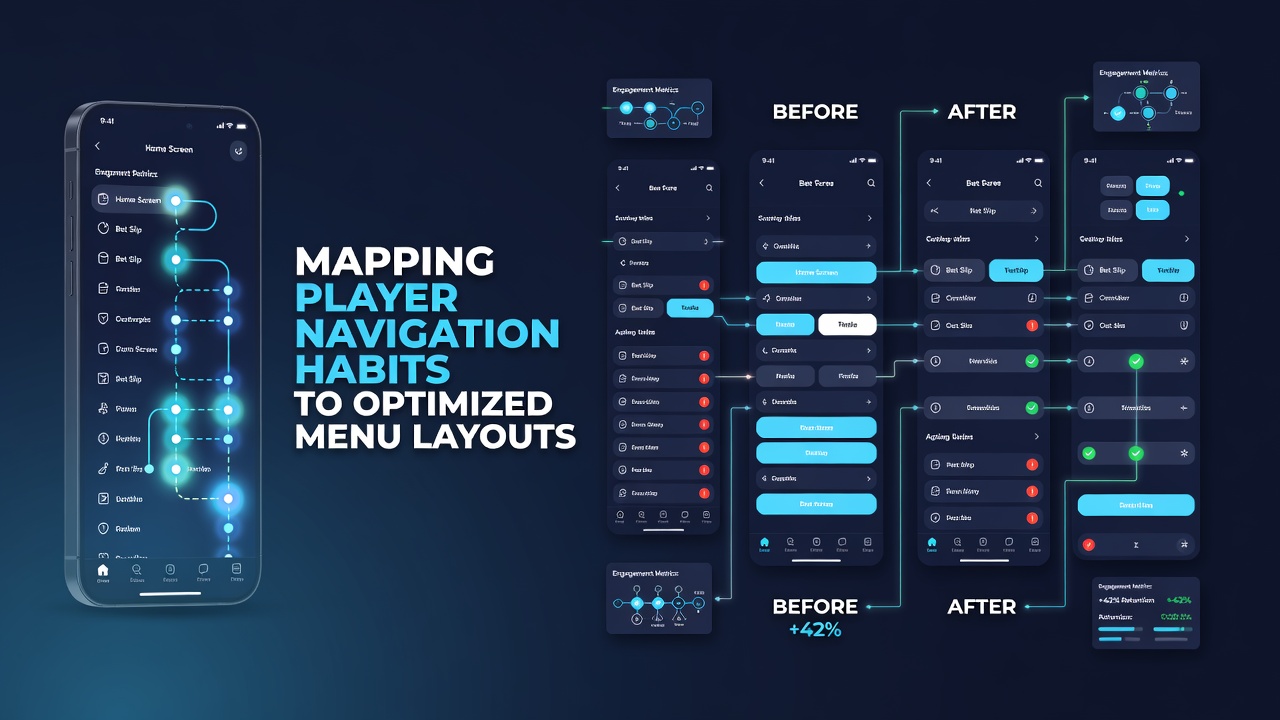
Touch-target sizing follows accessibility guidelines that enlarge interactive elements to at least 48 pixels ensuring reliable selection even during one-handed operation. Gesture support extends beyond taps to include long-press previews that surface game rules without full navigation away from the main menu. Observers note that swipe-to-refresh mechanics integrated near jackpot displays increase re-engagement loops particularly in regions where regulatory frameworks permit such interactive elements.
Regional Variations in Navigation Preferences
Cross-border analysis highlights differences in menu interaction tied to local device preferences and network conditions. Operators serving markets with prevalent lower-bandwidth connections streamline layouts by preloading fewer background assets and prioritizing static category buttons over animated carousels. Canadian regulatory filings reference similar optimization work that aligns menu depth with provincial responsible gaming prompts appearing at consistent scroll thresholds. These placements reduce cognitive load while maintaining required compliance messaging without disrupting primary navigation flows.
Measuring Performance Outcomes
Key performance indicators track bounce rates at each menu level alongside conversion from discovery to active play. A/B testing frameworks deploy variant layouts to statistically comparable user cohorts revealing which configurations sustain longer engagement windows. Figures released by academic research groups affiliated with European institutions show that consolidating payment and settings access into persistent bottom navigation bars correlates with 12 percent fewer support ticket submissions related to account access difficulties. Continuous iteration cycles incorporate seasonal event banners that temporarily override standard menu ordering without permanent structural changes.
Integration With Broader Platform Features
Navigation mapping extends beyond static menus to influence search autocomplete suggestions and personalized recommendation engines. Algorithms trained on historical paths predict likely destinations based on prior session endings and surface shortcuts accordingly. Integration with biometric authentication layers allows direct routing to verified account dashboards once navigation patterns indicate return visits. Platform telemetry from multiple operators confirms that such predictive elements shorten overall interaction sequences while preserving user control through manual override options.
Conclusion
Navigation data continues to shape iterative refinements in mobile gambling interfaces as operators refine layouts according to observed player flows. Aggregated insights from heatmaps, clickstreams, and regional metrics guide placement decisions that balance discovery needs with rapid access to preferred content. Ongoing monitoring through 2026 and beyond supports compliance with evolving technical standards while maintaining functional consistency across device ecosystems.