Loyalty Tiers Directing Cashout Preferences in Mobile Gaming Ecosystems
Clara Simon · Aug 31, 2026
Loyalty Tiers Directing Cashout Preferences in Mobile Gaming Ecosystems
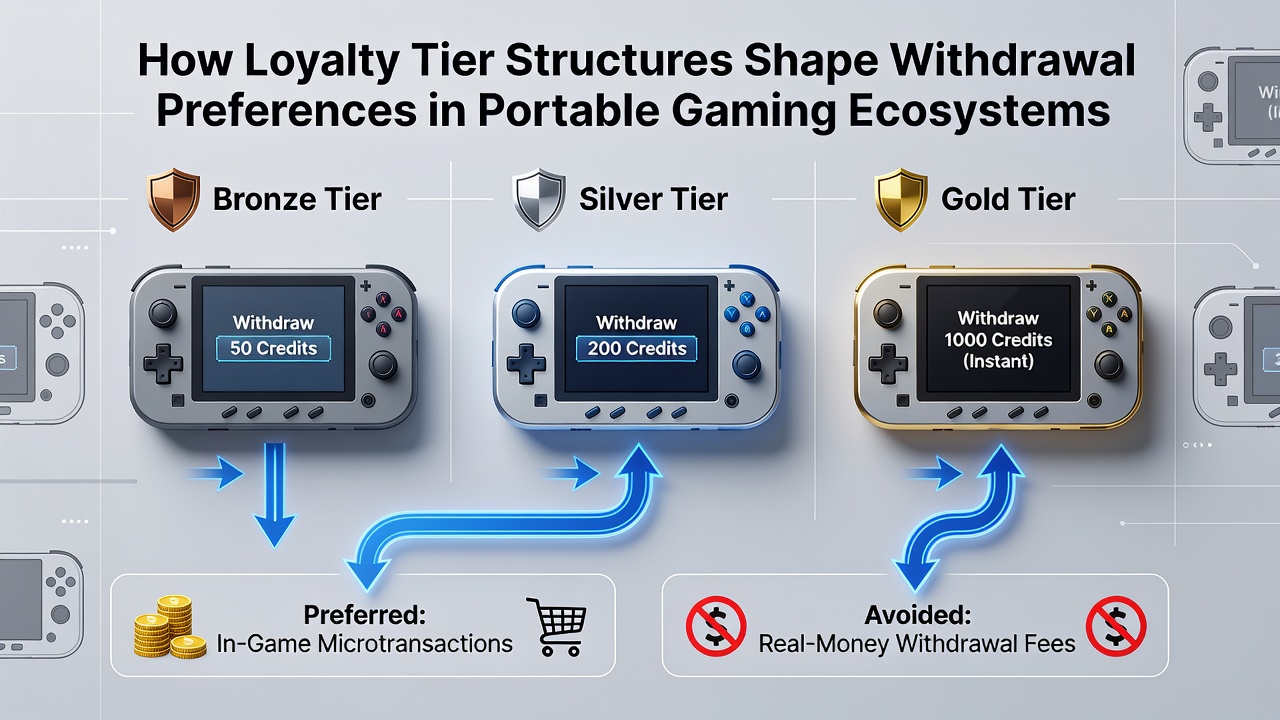
Portable gaming ecosystems have expanded rapidly since the mid-2010s, and loyalty tier structures now play a central role in how players select withdrawal methods across mobile platforms. These systems typically divide participants into categories such as entry-level, mid-tier, and premium segments, each carrying distinct processing advantages that shape payment choices. Researchers tracking user behavior note that higher tiers often unlock reduced fees, accelerated timelines, and expanded method availability, which in turn steer preferences toward certain digital wallets or cryptocurrency channels over traditional bank transfers.
Tier Mechanics and Their Built-In Incentives
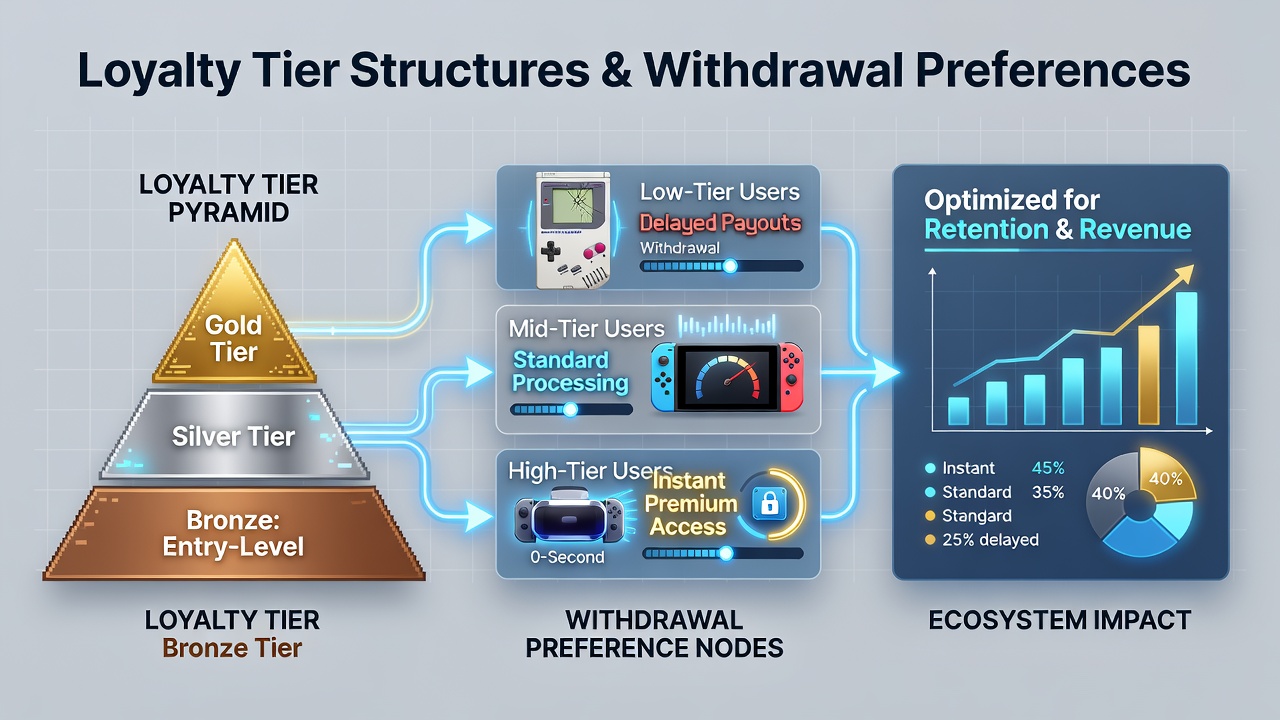
Entry-level tiers generally limit players to standard processing windows that stretch between three and five business days with fixed transaction caps, while mid-tier access introduces same-day options for select e-wallets and lowers minimum withdrawal thresholds. Premium segments add priority routing, fee waivers, and support for emerging rails such as instant bank transfers or stablecoin payouts. Data from industry tracking services shows these graduated benefits correlate with measurable shifts in method selection, particularly among frequent mobile users who accumulate points through daily engagement rather than large single deposits.
Observed Shifts in Payment Selection Patterns
Analyses of transaction logs from major mobile operators reveal that players reaching premium tiers increase their use of instant digital wallet withdrawals by roughly 40 percent compared with entry-level cohorts. Those in the highest tiers also demonstrate greater adoption of cryptocurrency options when platforms integrate them as tier-exclusive features, according to reports compiled by the European Gaming and Betting Association. Mid-tier participants meanwhile favor hybrid approaches that combine lower-fee bank transfers with occasional wallet top-ups when promotional boosts apply. Observers note that these patterns hold steady across both Android and iOS environments, though regional regulatory differences influence which methods appear first in each tier menu.
Regional Data and August 2026 Developments
North American operators reported sustained growth in mobile withdrawal volumes through August 2026, with tier-driven incentives cited as a primary factor in method diversification. Figures from state gaming commissions in New Jersey and Pennsylvania indicate that premium-tier users completed 62 percent of all instant payouts during that period, while entry-level activity remained concentrated on slower ACH channels. Similar trends appear in Australian markets, where a government-commissioned review of digital wagering platforms found loyalty structures directly tied to preferences for local instant banking rails among higher-tier accounts. These regional snapshots suggest the mechanics operate consistently even as local rules vary.
Platform Design Choices and User Response
Developers structure tier progression around engagement metrics that include session frequency, deposit consistency, and game variety, which then feed directly into withdrawal customization. One platform study documented that unlocking a new tier often prompts immediate menu exploration, with users testing newly available methods within the first 48 hours. This behavior produces feedback loops where operators refine tier rewards based on observed uptake, further reinforcing certain payment pathways. Those tracking these cycles point out that mobile interfaces amplify the effect because push notifications and in-app prompts highlight tier upgrades alongside withdrawal shortcuts.
Security Layers and Compliance Integration
Verification requirements tighten or relax according to tier status on many platforms, with premium accounts enjoying streamlined biometric checks that speed up larger withdrawals. Lower tiers encounter more frequent document requests that can delay processing regardless of chosen method. Regulatory filings from Canadian provincial authorities highlight how these tier-based verification tiers align with anti-money laundering thresholds, creating predictable patterns in both speed and method preference. Players who reach higher tiers therefore encounter fewer friction points when selecting faster options, which reinforces continued use of those rails.
Conclusion
Loyalty tier structures continue to influence withdrawal preferences by embedding concrete processing and cost advantages into each level of participation. Mobile ecosystems amplify these effects through interface design and notification systems that surface new options precisely when players advance. Available data through August 2026 demonstrates consistent regional patterns linking tier status to method selection, with higher segments favoring speed-oriented channels. As platforms refine these systems, the relationship between loyalty progression and cashout behavior remains a measurable feature of portable gaming operations.