How Synchronization Protocols Reshape Reward Accumulation Patterns Across Multi-Device Entertainment Systems
Amir Simmons · Jul 17, 2026
How Synchronization Protocols Reshape Reward Accumulation Patterns Across Multi-Device Entertainment Systems
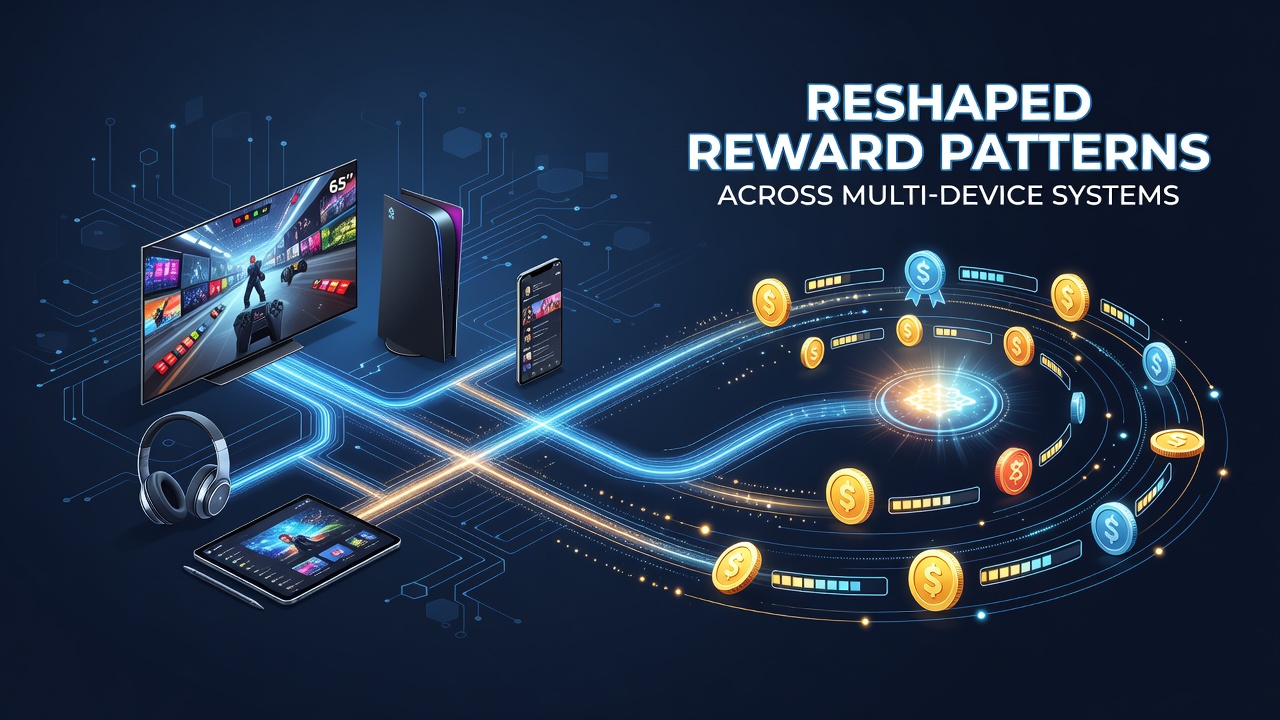
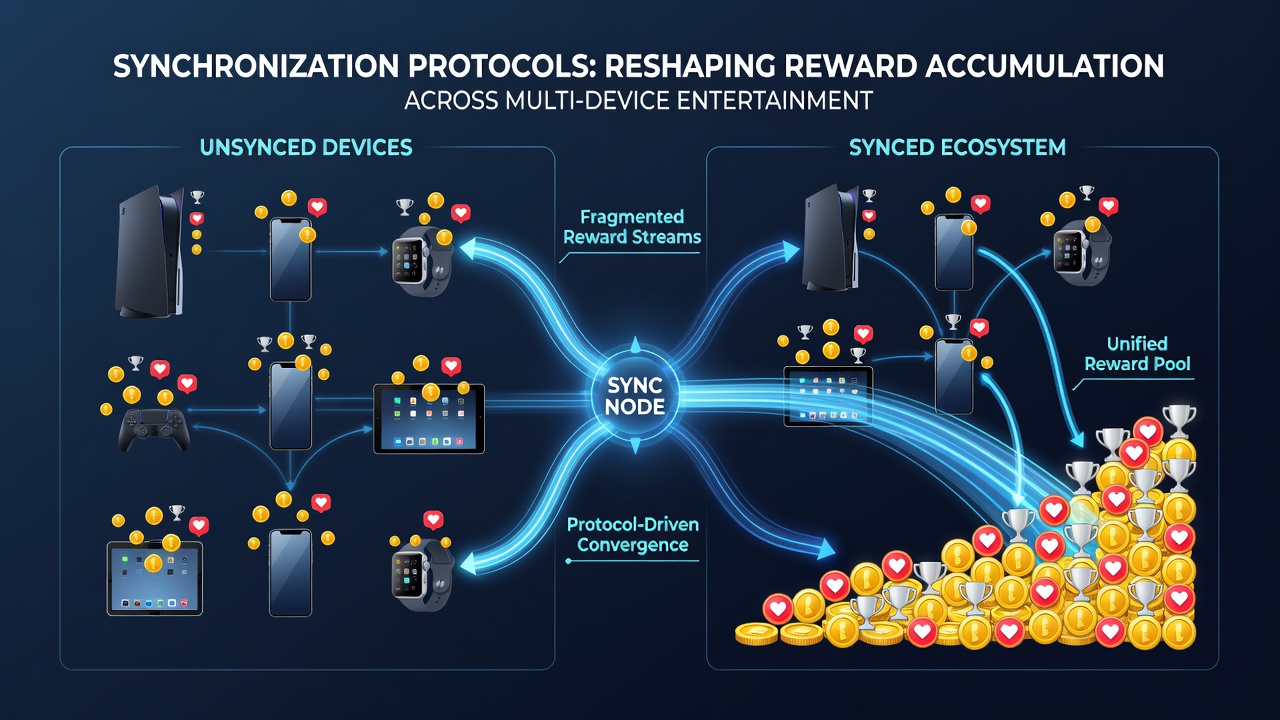
Entertainment platforms have integrated synchronization protocols that coordinate user data across phones, tablets, and desktop systems, which alters how rewards build up over time. These protocols rely on real-time data exchange between servers and client devices, ensuring that progress, points, and bonuses remain consistent regardless of where a user logs in. Research from industry groups shows that such systems reduce duplication errors by up to 40 percent in large-scale deployments, while users experience fewer interruptions when switching between hardware.
Protocols operate through standardized application programming interfaces that push updates in milliseconds, pulling in metrics like session duration, wager totals, and completion rates from each connected device. This continuous flow means reward tiers advance based on aggregated activity rather than isolated sessions, which changes accumulation speed for participants who move frequently between mobile and stationary setups. Observers note that platforms using cloud-based ledgers see steadier growth curves because partial contributions from one device carry over instantly to others.
Core Mechanisms Driving Cross-Device Consistency
Central servers act as the primary authority, validating every action before updating shared reward ledgers. When a player completes a task on a tablet, the protocol broadcasts the change to linked accounts within seconds, preventing the same action from registering twice. Data from the Gaming Standards Association indicates that implementations using timestamped event logs cut down on conflicts that once stalled reward processing in multi-device environments. Those who manage large user bases report that API calls now handle millions of transactions daily without lag, which keeps accumulation patterns predictable even during peak hours.
Encryption layers protect the data streams, while checksum verifications confirm that no packets arrive corrupted. This technical backbone allows reward systems to scale across regions, where users might begin a session in one time zone and finish it elsewhere. Figures from regulatory filings reveal that platforms adopting these protocols maintain compliance records more easily because audit trails form automatically through the same synchronization channels.
Impact on Reward Accumulation Speed and Distribution
Accumulation no longer depends on staying on a single device, since protocols merge contributions from all sources into one running total. Participants who alternate between short mobile sessions and longer desktop play see rewards compound at rates that reflect total engagement rather than device-specific limits. Studies conducted by university research teams in Australia found that unified tracking increased average reward milestone completion by 25 percent among users with access to multiple screens. The shift removes artificial caps that once reset when a user changed hardware, allowing steady progress toward loyalty tiers.
Yet patterns also become more granular, because protocols can apply device-specific multipliers or caps before merging data into the central ledger. For instance, mobile contributions might receive bonus coefficients during certain hours, while desktop activity counts at base rates, which creates layered accumulation that varies by hardware choice. Evidence collected by the Canadian Gaming Regulators Association shows these adjustments influence how quickly users reach payout thresholds across different demographic groups.
Regional Adoption Trends Through Mid-2026
By July 2026 several North American operators had rolled out enhanced synchronization layers to meet updated technical requirements from state oversight bodies. These updates aligned reward engines with cross-device reporting standards that track activity from every endpoint. Platforms in Europe followed similar paths after industry reports highlighted efficiency gains, while operators in Asia focused on latency reductions for high-volume markets. The result appears in altered accumulation curves where daily totals rise more evenly because no device activity gets lost during handoffs.
Operators have also adjusted promotional structures to account for the new patterns, tying bonus releases to verified sync events rather than isolated logins. This approach reduces instances where rewards accumulate unevenly due to device fragmentation. Those monitoring participation data observe that users with consistent multi-device access maintain higher ongoing totals compared with single-device groups, though the gap narrows when protocols enforce uniform validation rules.
Conclusion
Synchronization protocols continue to standardize how rewards collect across entertainment systems by merging device inputs into unified ledgers that update in real time. The technical requirements for these systems favor platforms that maintain accurate event logs and secure data exchanges, which in turn shape accumulation into more consistent and verifiable patterns. As adoption spreads, reward mechanics reflect total user engagement rather than hardware boundaries, producing measurable shifts in how milestones are reached across user bases.