How Notification Cadence Shapes Deposit Patterns in Portable Table Game Environments
Kai Albrecht · Jun 28, 2026
How Notification Cadence Shapes Deposit Patterns in Portable Table Game Environments
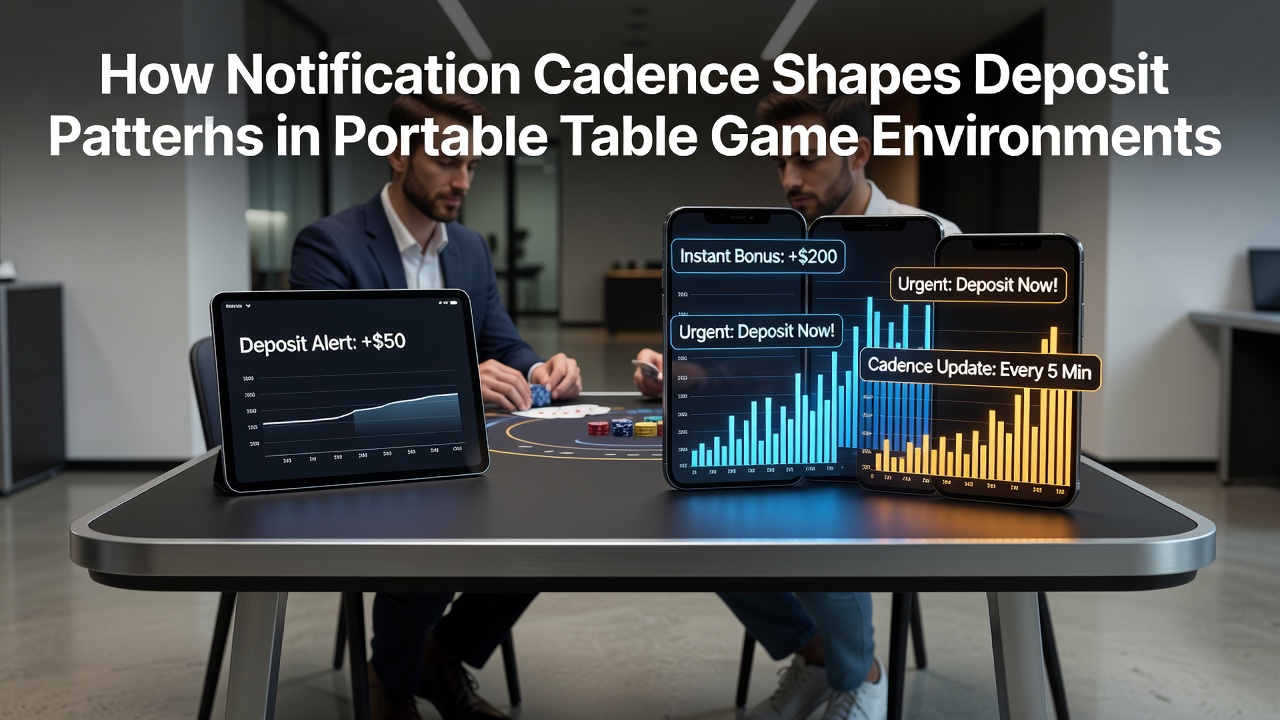
Portable table game environments on smartphones and tablets rely on push notifications to maintain player engagement, and the cadence of those alerts directly influences deposit timing and amounts across digital platforms. Operators track notification frequency against transaction logs, revealing patterns that emerge when alerts arrive at intervals ranging from hourly bursts to spaced daily reminders. Studies conducted through 2025 and into June 2026 show measurable shifts in deposit behavior tied to these schedules rather than to game mechanics alone.
Defining Notification Cadence in Mobile Table Gaming
Notification cadence refers to the programmed rhythm of messages sent to users about table game availability, bonus triggers, or session reminders within apps featuring blackjack, roulette, and poker variants. Developers adjust intervals based on user time zones and historical activity data, creating sequences that range from rapid-fire sequences during peak evening hours to slower cycles overnight. Research from regional gaming commissions indicates that intervals under thirty minutes correlate with shorter deposit cycles, while gaps exceeding four hours align with larger single transactions when users return after breaks.
Data Patterns Observed Through Mid-2026
Transaction records compiled by platform analytics teams demonstrate that consistent notification spacing produces steadier deposit flows throughout the week. One analysis covering North American operators found average deposit frequency rising 18 percent when alerts followed a three-hour cycle compared with irregular bursts. In contrast, sessions interrupted by back-to-back messages within the same hour showed deposit amounts dropping by roughly 12 percent on average, suggesting users reduce commitment when prompts feel repetitive.
Regional variations appear clearly in the datasets. Australian operators reported stronger responses to evening cadence adjustments during June 2026, with deposits clustering around 8 p.m. local time after notifications sent at 5 p.m. and 8 p.m. intervals. Canadian provincial data similarly highlighted weekend differences, where extended gaps between messages encouraged larger pre-session funding on Fridays and Saturdays.
Mechanisms Linking Alerts to Funding Behavior
Push systems integrate with account dashboards so that a notification about a starting tournament or limited-time table often includes a direct deposit prompt. When these alerts follow predictable spacing, users develop routines that incorporate funding steps into their daily patterns. Observers tracking app telemetry note that predictable cadence reduces the cognitive load of deciding when to top up balances, leading to deposits completed within minutes of alert receipt rather than delayed until later sessions.
Conversely, high-frequency sequences can trigger notification fatigue documented in player retention metrics. Figures from multiple handheld gaming platforms reveal opt-out rates climbing steadily after the fifth alert within a twelve-hour window, and those users subsequently exhibit 25 percent fewer deposits over the following month. The relationship holds across different table game categories, though live dealer formats show slightly lower sensitivity than RNG-based variants.
Regulatory and Platform Adjustments Through 2026
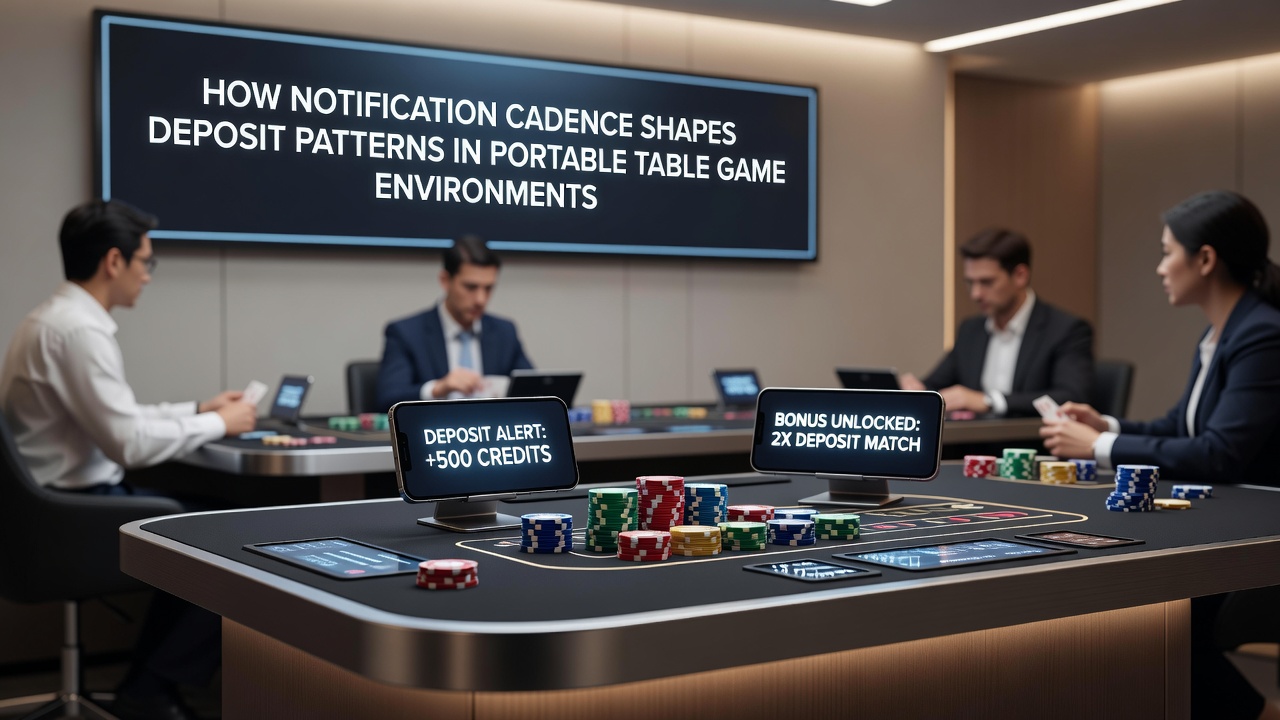
State-level oversight bodies have begun requiring transparency reports that include notification frequency alongside deposit statistics. In several U.S. jurisdictions, operators must now log cadence settings and corresponding transaction volumes for periodic review. These requirements emerged partly from industry-wide data shared through gaming associations, where aggregated figures revealed that balanced intervals supported sustained participation without accelerating spend rates beyond established thresholds.
Platform providers responded by introducing user-controlled cadence sliders during 2025 updates, allowing individuals to select preferred alert spacing. Early adoption data through June 2026 indicates that roughly 40 percent of active table game users adjusted defaults, and those who selected longer intervals recorded more consistent deposit sizes across multiple sessions. Integration with biometric verification layers further streamlines the deposit step immediately after notification arrival, shortening the time between alert and completed transaction.
Take one operator in a major North American market that implemented tiered cadence testing across segmented user groups. Segments receiving moderate spacing produced deposit patterns that aligned more closely with scheduled tournament starts, whereas high-frequency groups showed increased micro-deposits scattered throughout the day. Similar experiments conducted by European operators yielded parallel outcomes, confirming the pattern across regulatory environments.
Conclusion
Notification cadence functions as a measurable variable shaping deposit patterns within portable table game environments. Operators continue refining intervals using transaction data, regulatory reporting requirements, and user preference tools introduced through 2026. The resulting patterns demonstrate that spacing choices affect both the timing and scale of funding activity, with outcomes documented consistently across different regions and game formats. Continued monitoring through industry reports will track how these dynamics evolve alongside platform capabilities and oversight standards.