Exploring Haptic Feedback Mechanisms in Smartphone Casino Interfaces for Extended Play
Clara Simon · Jul 31, 2026
Exploring Haptic Feedback Mechanisms in Smartphone Casino Interfaces for Extended Play
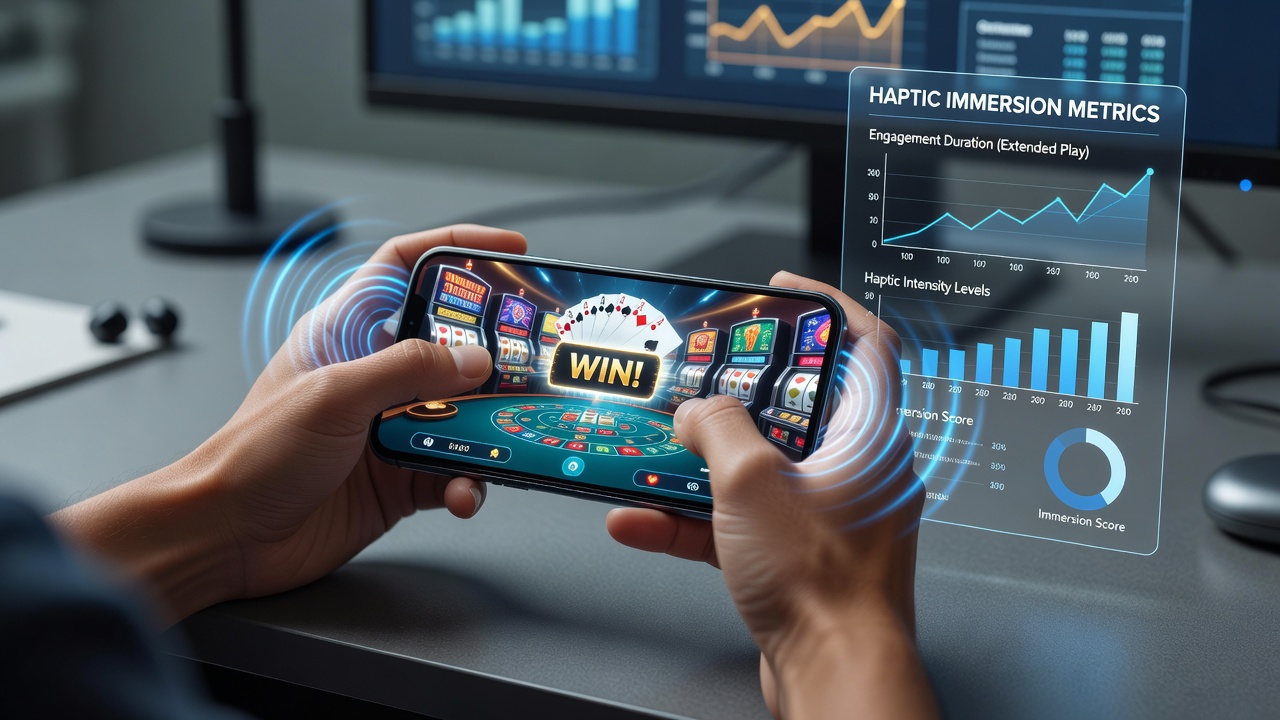
Smartphone-based casino interfaces rely on haptic feedback systems that translate game events into precise tactile signals through built-in actuators, and these signals create layered sensory input during reel spins, card deals, and win notifications. Mobile devices equipped with linear resonant actuators deliver distinct vibration profiles that align with on-screen animations, while players continue sessions that stretch across hours without requiring constant visual attention to every outcome.
Core Components of Haptic Systems in Mobile Gaming
Modern smartphones integrate eccentric rotating mass motors alongside advanced linear actuators, and these components generate frequencies ranging from subtle pulses to stronger rumbles that match specific game mechanics. Casino applications program these responses to trigger at reel stops, bonus round entries, and progressive jackpot alerts, which allows the device to communicate results through touch rather than sound alone. Research from the University of Sydney indicates that synchronized haptics reduce reliance on audio cues in quiet environments, and this shift supports longer engagement periods because players receive immediate physical confirmation of actions.
Developers calibrate intensity levels based on device models, and calibration accounts for variations in battery output and processor load during extended use. When a virtual slot machine completes a spin sequence, the actuator produces a short burst that mimics mechanical resistance, while multi-line wins prompt patterned sequences that differentiate payout sizes without additional screen prompts. Observers note that these patterns become more refined as software updates incorporate sensor data from accelerometers to adjust feedback strength according to how the phone is held.
Immersion Effects During Prolonged Sessions
Extended play sessions on handheld casino platforms often exceed sixty minutes, and haptic layers help sustain focus by distributing sensory load across touch receptors in addition to sight and sound. Data from industry reports shows that applications using adaptive vibration profiles record higher average session durations compared with those limited to visual and auditory elements alone. Players experience reduced eye strain because the device provides tactile markers for key events, which means glances away from the screen do not interrupt the flow of information about game state.
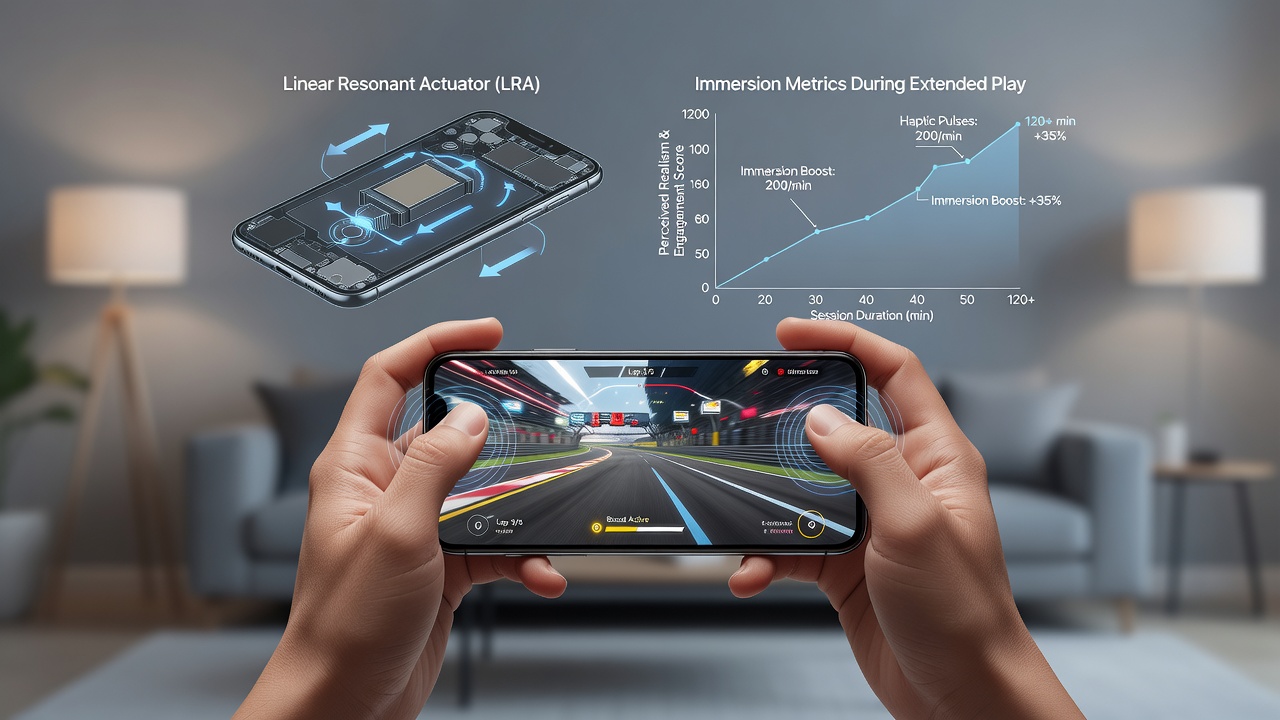
Patterns evolve throughout a session as well, and software adjusts feedback frequency to prevent sensory adaptation that can occur after repeated identical stimuli. One study conducted across European mobile gaming cohorts found that varied haptic sequences maintained response times to in-game prompts even after ninety minutes of continuous interaction. The approach mirrors physical casino environments where players feel table vibrations or machine movements, yet it adapts those sensations to the compact form factor of a smartphone held in one hand.
Technical Implementation and Platform Variations
Application developers access haptic APIs provided by operating systems, and these APIs allow precise control over waveform duration, amplitude, and repetition rates that correspond to different betting outcomes. Android and iOS platforms each expose distinct toolkits, which results in slight differences in how the same game title delivers feedback across device ecosystems. Casino operators test these implementations against multiple hardware generations to ensure consistency, while updates released in mid-2026 incorporated improved low-power modes that extend battery life during long sessions without diminishing tactile response quality.
Integration extends beyond basic slots to live dealer simulations, where haptic pulses simulate card shuffles or chip placements on virtual felt, and these additions create continuity between digital interfaces and traditional table experiences. Figures from the Interactive Games and Entertainment Association reveal that titles incorporating advanced haptics see measurable increases in daily active users who return for sessions spanning multiple time zones.
Considerations for User Comfort and Accessibility
Design guidelines recommend optional toggles for haptic intensity because prolonged exposure to strong vibrations can cause hand fatigue in some users, and developers include these controls within settings menus to accommodate individual preferences. Accessibility frameworks also leverage haptics to convey information to players with visual impairments, delivering coded pulses that represent balance changes or game status updates without requiring screen reading. Regulatory bodies in regions such as Australia require clear documentation of these features so that operators meet standards for inclusive design in digital wagering products.
Testing protocols evaluate how feedback interacts with other device functions like notifications, and proper prioritization prevents external alerts from overriding game-specific signals during active play. Those who've examined session logs across multiple titles observe that balanced haptic design correlates with fewer mid-session exits caused by discomfort or distraction.
Conclusion
Haptic feedback mechanisms continue to integrate more deeply into smartphone casino interfaces as hardware capabilities advance, and the resulting tactile layer supports sustained immersion by providing non-visual channels for game information. Technical refinements in actuator control and software calibration enable consistent performance across extended sessions, while platform variations and accessibility options broaden applicability. Data collected through 2026 demonstrates measurable effects on engagement metrics when these systems operate in coordination with visual and audio elements, and ongoing development focuses on energy efficiency alongside sensory precision to maintain compatibility with evolving mobile hardware.