Examining How Cultural Holidays Influence Promotional Offerings in Handheld Entertainment Systems
Taylor Perry · Jun 5, 2026
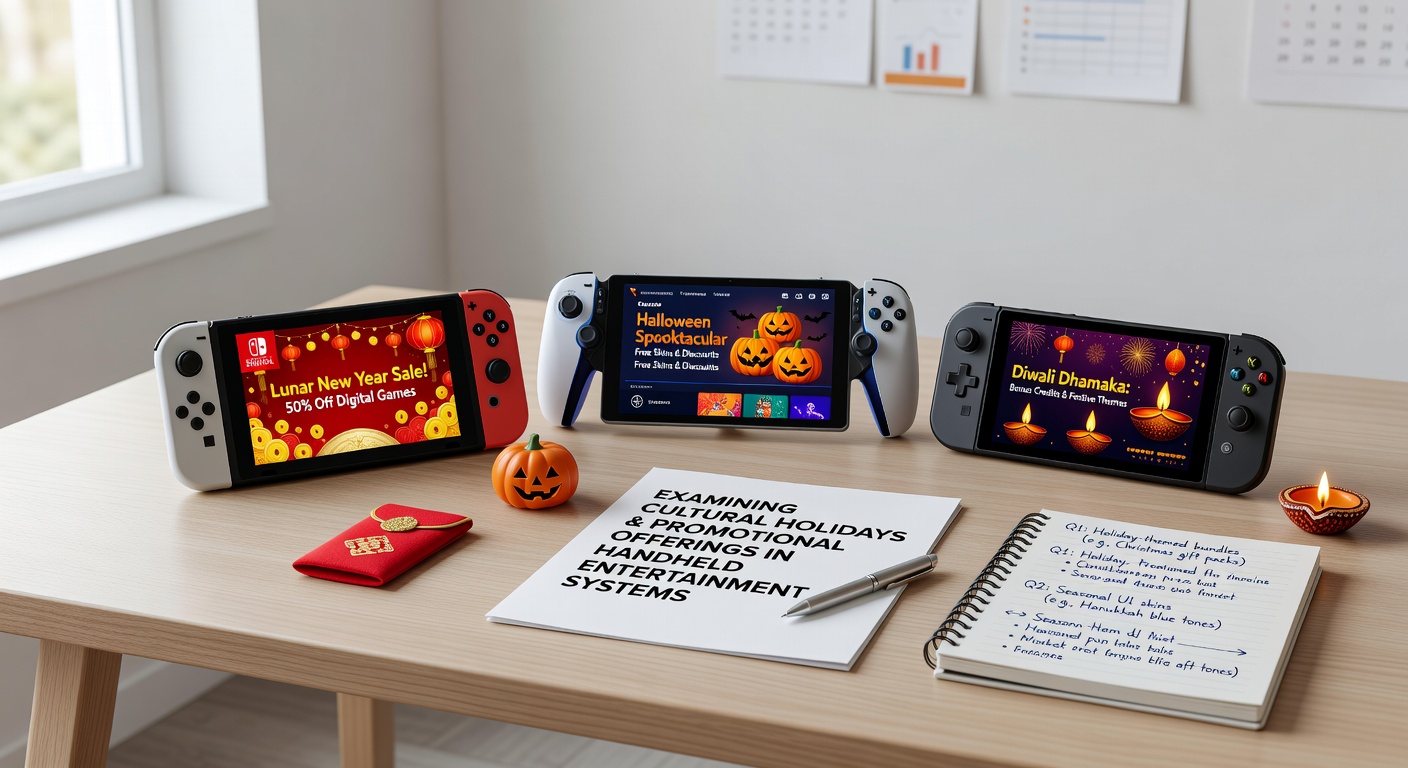
Examining How Cultural Holidays Influence Promotional Offerings in Handheld Entertainment Systems
Handheld entertainment systems encompass mobile applications, digital games, streaming services, and interactive media delivered through smartphones and tablets, and cultural holidays shape the timing, themes, and incentives that developers deploy within these platforms. Data from app marketplaces indicate that release schedules and update cycles align with observances such as Lunar New Year, Diwali, and Christmas, because user engagement metrics rise during these periods. Developers adjust in-app purchase structures, limited-time events, and themed content bundles to match seasonal patterns observed across different regions.
Patterns in Promotional Timing Across Regions
Market analysis conducted by research firms shows that East Asian markets experience elevated activity around Lunar New Year, with application updates introducing red envelope rewards and character customizations that reference traditional symbols. In contrast, North American and European platforms schedule major content drops near Christmas and New Year, incorporating winter-themed levels and gift-giving mechanics that encourage repeated logins. Australian data collected by government statistical agencies reveal similar spikes during local observances like Australia Day, where developers integrate national symbols into gameplay interfaces.
These adjustments occur because telemetry from handheld devices demonstrates increased session lengths when promotions reference familiar cultural motifs. A study released by a Canadian university research group found that participation rates in mobile game events climbed 28 percent during holiday windows compared with baseline weeks, prompting studios to front-load development resources accordingly.
Mechanics of Holiday-Themed Incentives
Promotional offerings in handheld systems typically include temporary currency multipliers, exclusive cosmetic items, and collaborative challenges that require group participation. During Diwali periods, applications serving South Asian users introduce lantern-collecting mechanics and light-based visual effects that mirror festival traditions. European platforms meanwhile activate advent calendars within puzzle and simulation titles, releasing daily rewards that accumulate over the December period.
Platform operators such as those managing major app stores track these trends through aggregated usage statistics and share anonymized insights with developers to refine targeting. The result appears in staggered rollout calendars where updates for one cultural group precede those for another by several weeks, allowing localized testing before global distribution.
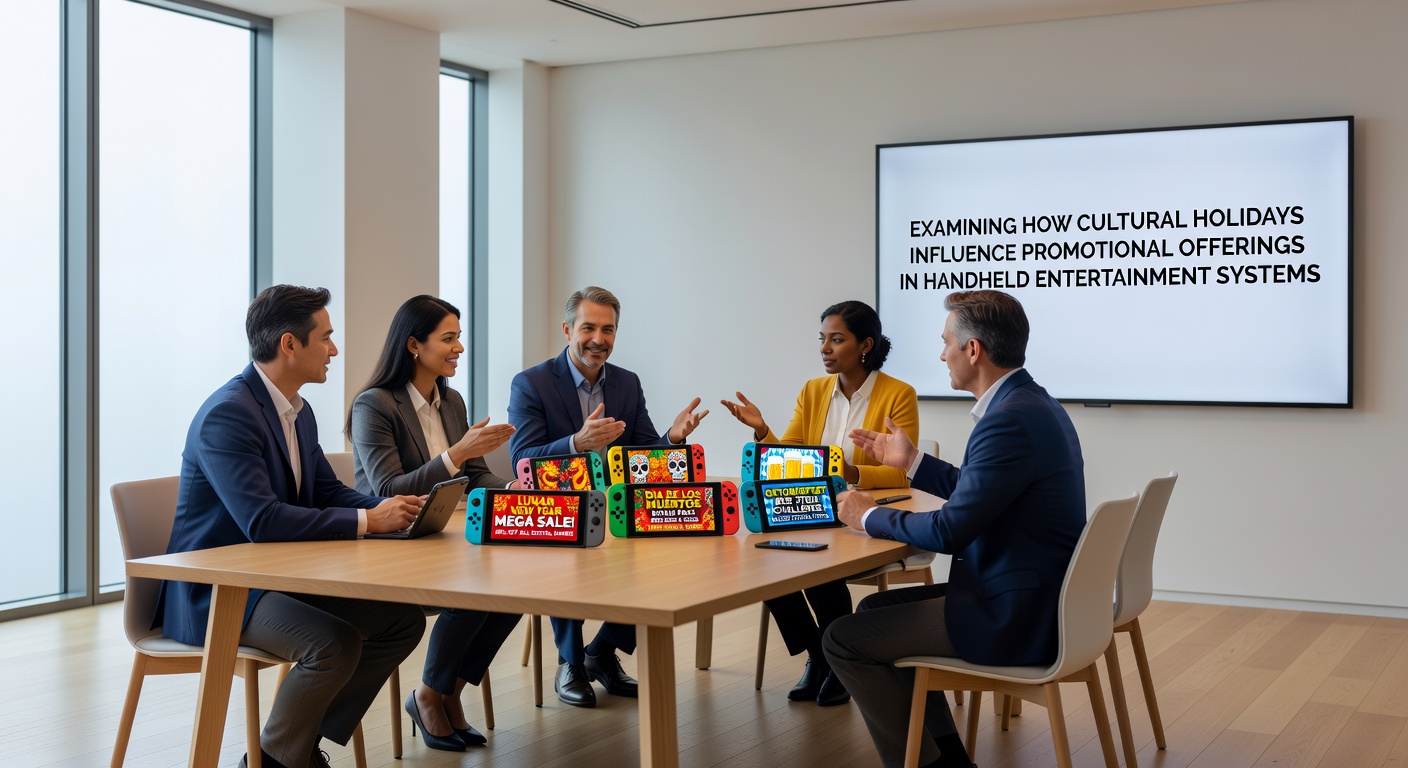
June 2026 brought additional examples when several entertainment applications launched summer solstice events tied to Scandinavian Midsummer celebrations, offering flower-crown avatars and outdoor activity simulations. These releases coincided with increased downloads reported in Nordic countries, illustrating how even lesser-known observances receive dedicated treatment when regional user bases justify the investment.
Regional Regulatory and Market Influences
Regulatory frameworks in various jurisdictions affect how promotions are presented. Australian consumer protection guidelines require clear disclosure of limited-time offers, leading developers to display countdown timers within handheld interfaces during holiday campaigns. European Union digital market directives similarly emphasize transparency, which influences the language used in push notifications that advertise festive bundles.
Industry associations including the Entertainment Software Association have published reports documenting how holiday alignments affect revenue cycles across mobile platforms. Their findings indicate that titles incorporating culturally resonant elements sustain higher retention rates through the post-holiday period, whereas generic promotions show steeper drop-offs once the observance concludes.
Case Examples from Major Platforms
One documented instance involved a popular rhythm game that introduced Diwali-themed song packs and instrument skins in October 2025, resulting in a measurable uptick in daily active users within targeted demographics. Another example surfaced when a simulation franchise activated Christmas markets inside its virtual towns, complete with limited-edition items that referenced regional gift-giving customs across multiple continents.
Observers note that these adaptations extend beyond visual reskins. Narrative events often incorporate holiday lore, such as ancestor-honoring quests during Qingming Festival periods or harvest-themed crop rotations in farming simulators timed with Thanksgiving observances in North America. The integration of such elements requires coordination between localization teams and creative departments to maintain cultural accuracy while preserving gameplay balance.
Future Trajectories and Data Utilization
Analytics platforms continue to refine predictive models that correlate holiday calendars with engagement forecasts, enabling earlier preparation of asset pipelines. Research institutions in Asia have begun publishing comparative studies that contrast promotion performance across Buddhist, Hindu, and secular holiday contexts, providing developers with granular benchmarks for resource allocation.
As handheld hardware capabilities expand, developers explore augmented reality overlays that project holiday decorations into users' physical spaces, further blurring lines between digital promotions and real-world observances. These innovations build upon existing patterns where cultural holidays serve as reliable anchors for content refreshes in mobile entertainment ecosystems.
Conclusion
Cultural holidays function as predictable drivers for promotional strategies within handheld entertainment systems, guiding everything from content themes to incentive structures across global markets. Evidence from usage data, regulatory compliance records, and industry reports demonstrates consistent alignment between observance dates and application updates. Developers and platform operators apply these insights to optimize timing and localization, producing measurable shifts in user activity that recur annually across diverse regions and traditions.