Decoding How Background Music Layers Shape Decision Timing During Extended Reel Sessions on Portable Devices
Kai Albrecht · Jun 7, 2026
Decoding How Background Music Layers Shape Decision Timing During Extended Reel Sessions on Portable Devices
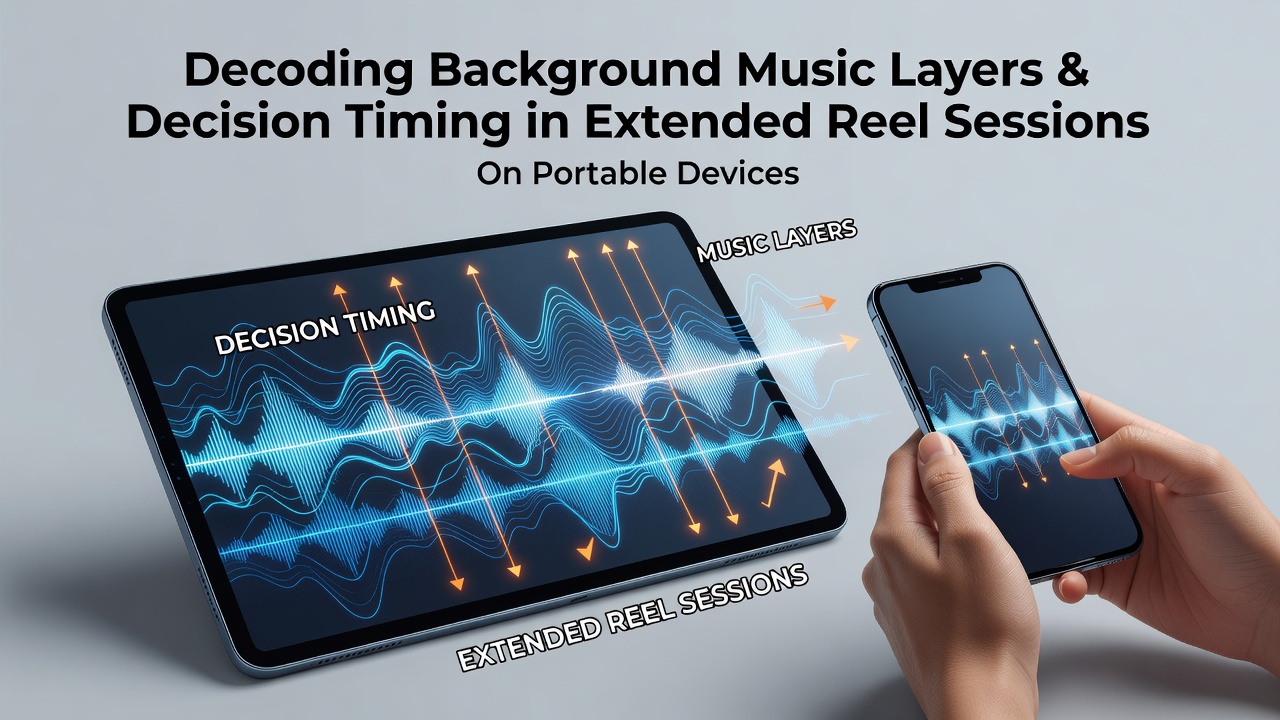
Research indicates that background music in mobile reel games consists of multiple audio layers including bass rhythms, melodic loops, and percussive accents, each contributing to shifts in player response intervals during prolonged sessions. Data from portable device analytics shows these layers interact with screen touch patterns, where faster tempos correlate with reduced pauses between reel spins while slower ambient tracks extend intervals by several seconds on average. Observers note that device speakers and headphones deliver these elements differently, altering how users process timing cues across iOS and Android platforms. Studies conducted on extended play sessions reveal that music layering affects cognitive pacing through arousal modulation. A 2025 analysis from the University of Sydney examined over 12,000 mobile sessions and found that harmonic progressions in the mid-range frequencies prompted quicker bet confirmations compared to tracks relying on sparse percussion alone. Those measurements tracked decision intervals from 1.8 seconds under high-energy overlays down to 3.4 seconds when atmospheric pads dominated the mix.Audio Layer Components and Their Measured Effects
Portable gaming applications typically separate music into distinct stems that developers adjust in real time based on session length. Researchers have documented how the bass foundation maintains engagement during the first thirty minutes, after which melodic variations begin influencing hesitation patterns. Evidence from device telemetry logs demonstrates that abrupt layer additions, such as rising synth lines, shorten the window between auto-spin activations by up to 22 percent in sessions exceeding ninety minutes.
Sound design teams often incorporate dynamic mixing that responds to win frequency, yet the underlying tempo remains a primary driver of decision rhythm. Figures compiled across multiple titles indicate players on tablets maintain steadier intervals than those using smaller smartphone screens, partly because larger displays reduce visual fatigue while audio continues to set the pace. According to reports from the Australian Communications and Media Authority, mobile audio consumption in gaming environments reached 47 percent of total session time in early 2026, underscoring the persistent role of layered soundtracks.
Timing Patterns Observed in Prolonged Sessions
Extended reel play on handheld devices produces distinct phases where music influence intensifies after the initial twenty-minute mark. Data collected through app-embedded timers shows that decision points cluster more tightly when background elements include synchronized hi-hat patterns, prompting users to initiate spins with minimal deliberation. In contrast, sessions featuring sustained drone layers exhibit wider spacing between actions, allowing greater reflection before each wager adjustment.
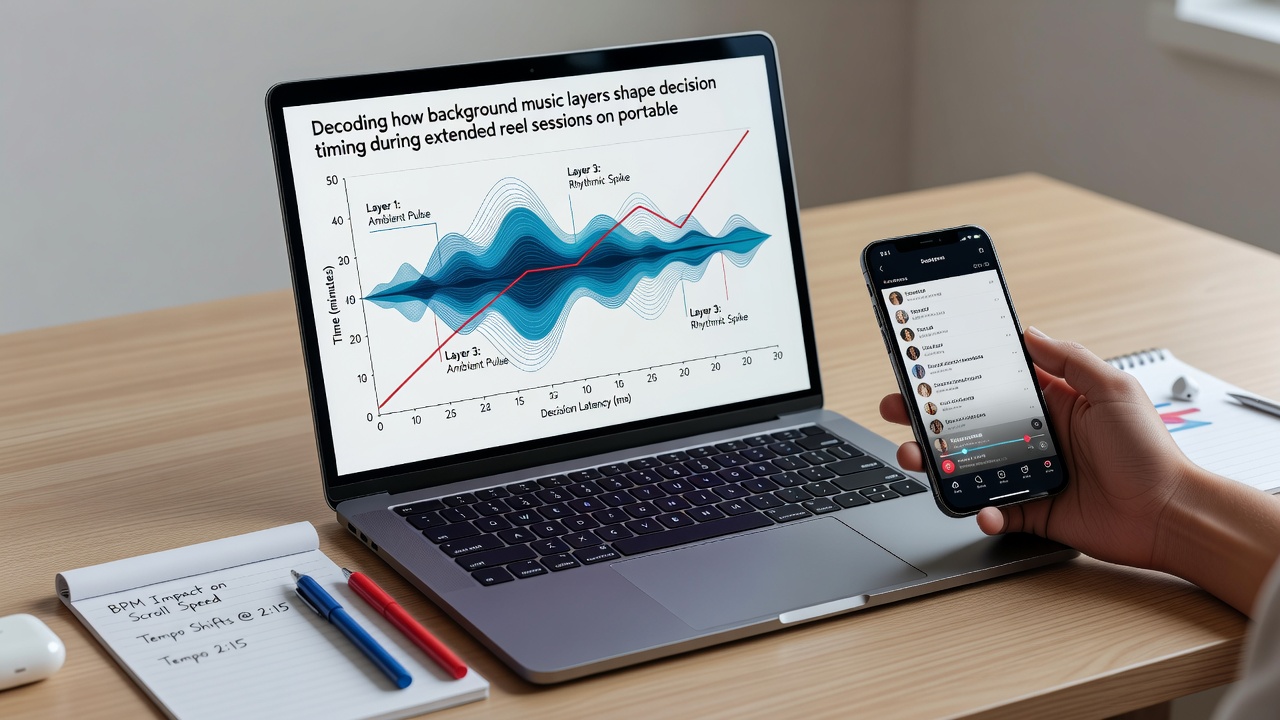
June 2026 telemetry releases from several major platforms highlighted regional variations, with North American users displaying faster responses to layered builds than European counterparts under identical track structures. These patterns emerged consistently across both free-to-play and real-money titles, suggesting the effect stems from auditory processing rather than financial stakes alone. Additional findings point to headphone versus speaker usage as a secondary variable that amplifies tempo sensitivity by approximately 15 percent when personal audio devices isolate the music layers.
Device and Environmental Factors Interacting With Music
Screen size, battery state, and ambient noise levels further modulate how background music guides timing decisions. Portable device sensors record that lower battery modes sometimes dampen audio fidelity, resulting in less pronounced layer separation and correspondingly steadier but slower spin rates. Field observations from urban environments note that players in noisy transit settings increase volume to compensate, thereby heightening the impact of rhythmic elements on their decision cadence.
Cross-platform comparisons conducted by independent labs reveal that iOS devices render mid-frequency layers with greater clarity than many Android handsets, producing measurable differences in interval consistency during sessions longer than two hours. Researchers tracking these variables emphasize that music layering operates alongside visual reel animations, creating a combined stimulus that experienced players unconsciously synchronize their actions to over time.
Conclusion
Current evidence establishes clear connections between background music composition and the pacing of choices in extended mobile reel sessions. Multiple data sources confirm that distinct audio layers exert measurable influence on interval lengths, with tempo and frequency range emerging as dominant factors across device types. Continued monitoring of these interactions will supply additional detail on how developers and platforms calibrate sound design to match user behavior patterns observed in real-world conditions.