Color Psychology's Impact on Decision Making in Digital Slot Interfaces
Taylor Perry · Aug 4, 2026
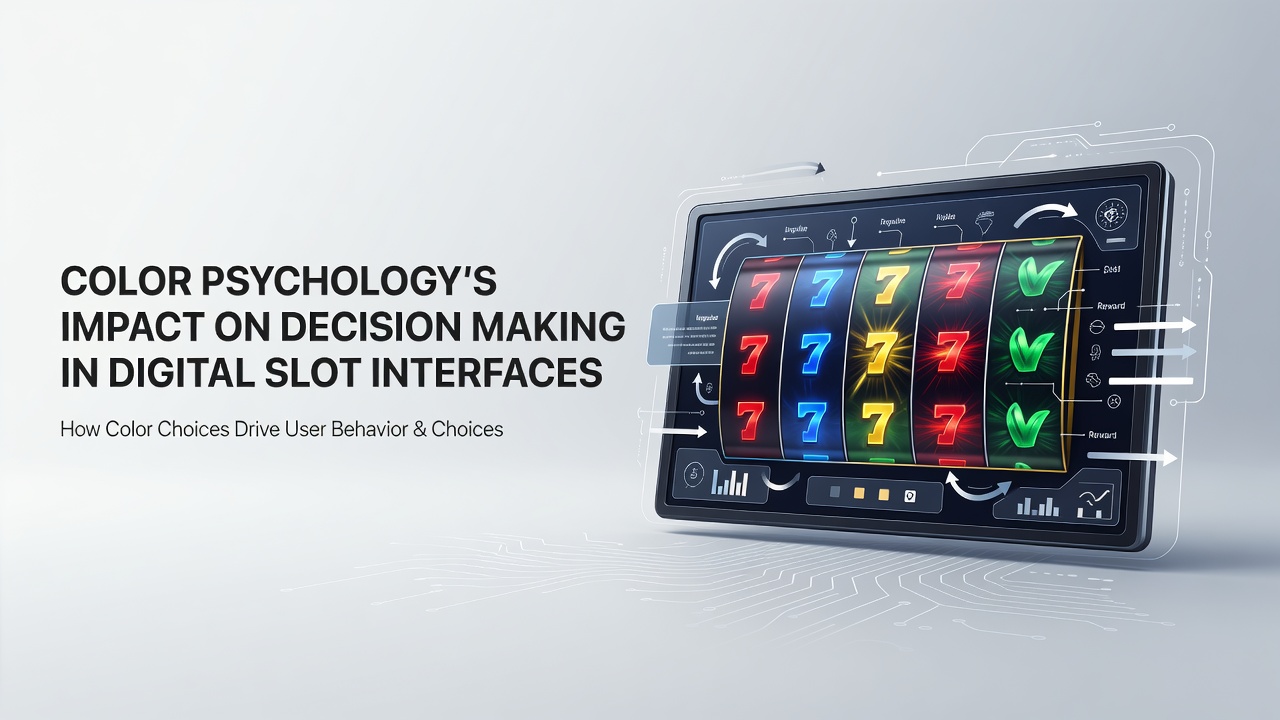
Color Psychology's Impact on Decision Making in Digital Slot Interfaces
Color psychology plays a measurable role in how players interact with digital slot interfaces, with researchers tracking shifts in betting patterns, session duration, and risk tolerance when different hues dominate the screen. Studies conducted across multiple jurisdictions show that operators adjust palettes to guide attention toward specific buttons or reels, while regulatory bodies monitor these design choices for compliance with fairness standards.
Core Principles Behind Color Application in Slot Design
Design teams select colors based on established psychological associations that have been tested in controlled environments, and data from these tests indicate that red tones tend to accelerate decision speed whereas blue shades correlate with longer contemplation periods before placing bets. Observers note that green elements often appear near payout indicators because they evoke stability, which in turn affects how frequently players adjust their wager amounts during extended sessions.
Industry reports compiled in early 2026 reveal that platforms operating in North America and parts of Europe now integrate color gradients that transition from neutral backgrounds to high-saturation accents when bonus rounds trigger, and these transitions coincide with documented increases in average bet sizes according to aggregated telemetry from multiple providers. The National Center for Responsible Gaming has published findings that link specific palette choices to variations in player persistence across different demographic groups.
Regional Data and Interface Variations
Analyses from Australian research centers demonstrate that warmer color schemes appear more frequently in markets with higher mobile usage, while cooler palettes dominate desktop versions accessed from regions with stricter advertising rules. These patterns emerge because operators respond to usage data that shows color contrast levels directly influence tap rates on spin and auto-play controls.
Figures released by the Nevada Gaming Control Board in August 2026 highlight a modest rise in reported session lengths on platforms that recently updated their reel backgrounds to include subtle violet overlays, and analysts attribute part of this trend to the way violet interacts with reward anticipation circuits identified in prior cognitive studies. Similar observations surface in Canadian provincial reports where operators must submit interface screenshots for review before deploying new color variants.

Decision-Making Metrics and Color Testing Protocols
Testing protocols used by development studios involve A/B comparisons that measure time-to-decision, frequency of bonus activation clicks, and changes in deposit behavior when color saturation increases or decreases. Results consistently show that high-contrast red elements near the bet-increase button produce faster adjustments upward, whereas muted tones in the same location slow those adjustments without altering overall engagement rates.
Academic teams at institutions focused on behavioral economics have mapped eye-tracking data against color placement, and their work indicates that players fixate longer on gold accents when those accents frame progressive jackpot meters, which correlates with higher voluntary participation in side bets. Such findings inform the iterative design cycles that many studios now run quarterly to align visual cues with evolving player data streams.
Regulatory Oversight and Design Compliance
Regulatory frameworks in several jurisdictions require operators to document how color changes might affect vulnerable player segments, and compliance teams review heat maps that overlay color usage with session outcome statistics. This process has led to standardized palettes in some markets where authorities mandate minimum contrast ratios to ensure readability across age groups and visual abilities.
Trade associations representing gaming technology suppliers have begun sharing anonymized datasets that track color-driven behavioral shifts across borders, adn these exchanges help smaller studios avoid unintended decision biases that larger operators have already identified through internal testing. The approach keeps interfaces functional while meeting transparency expectations set by oversight bodies in multiple regions.
Conclusion
Color psychology continues to shape digital slot interfaces through deliberate application of hues that align with measured player responses, and ongoing data collection from regulators and research groups provides the foundation for these design decisions. As platforms evolve through 2026 and beyond, the integration of color analytics with compliance requirements ensures that visual elements remain tied to observable behavioral patterns rather than untested assumptions.